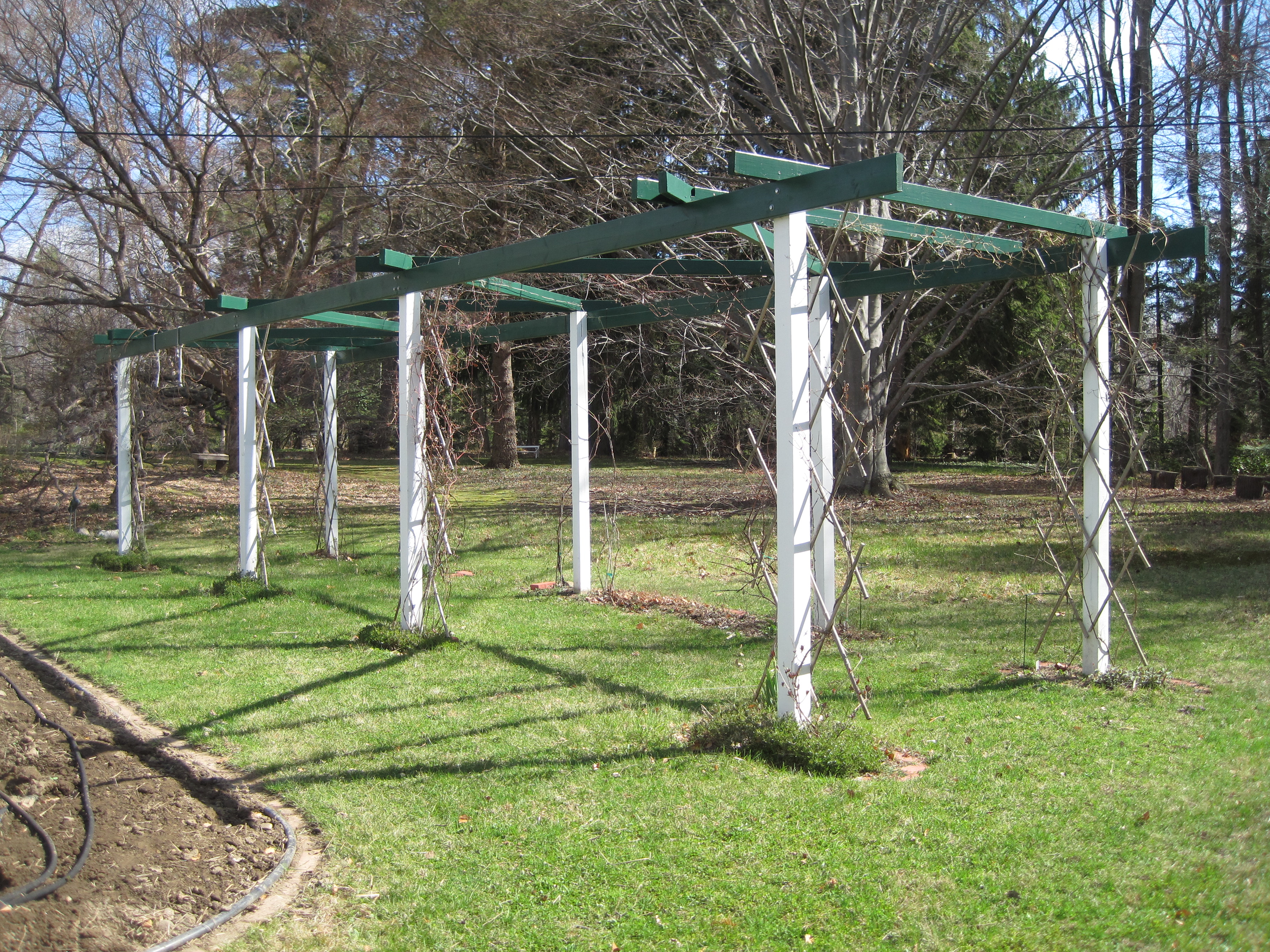
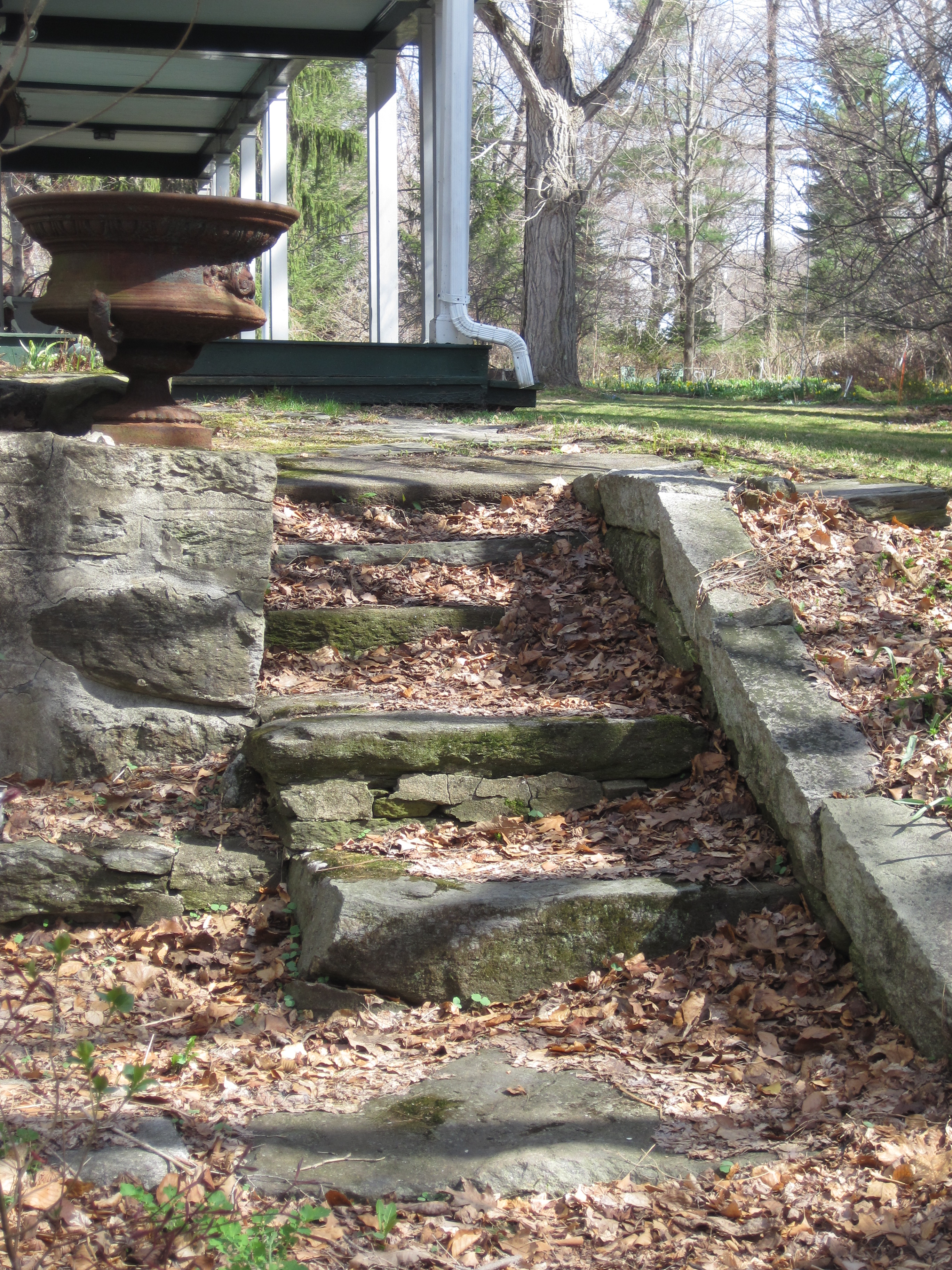
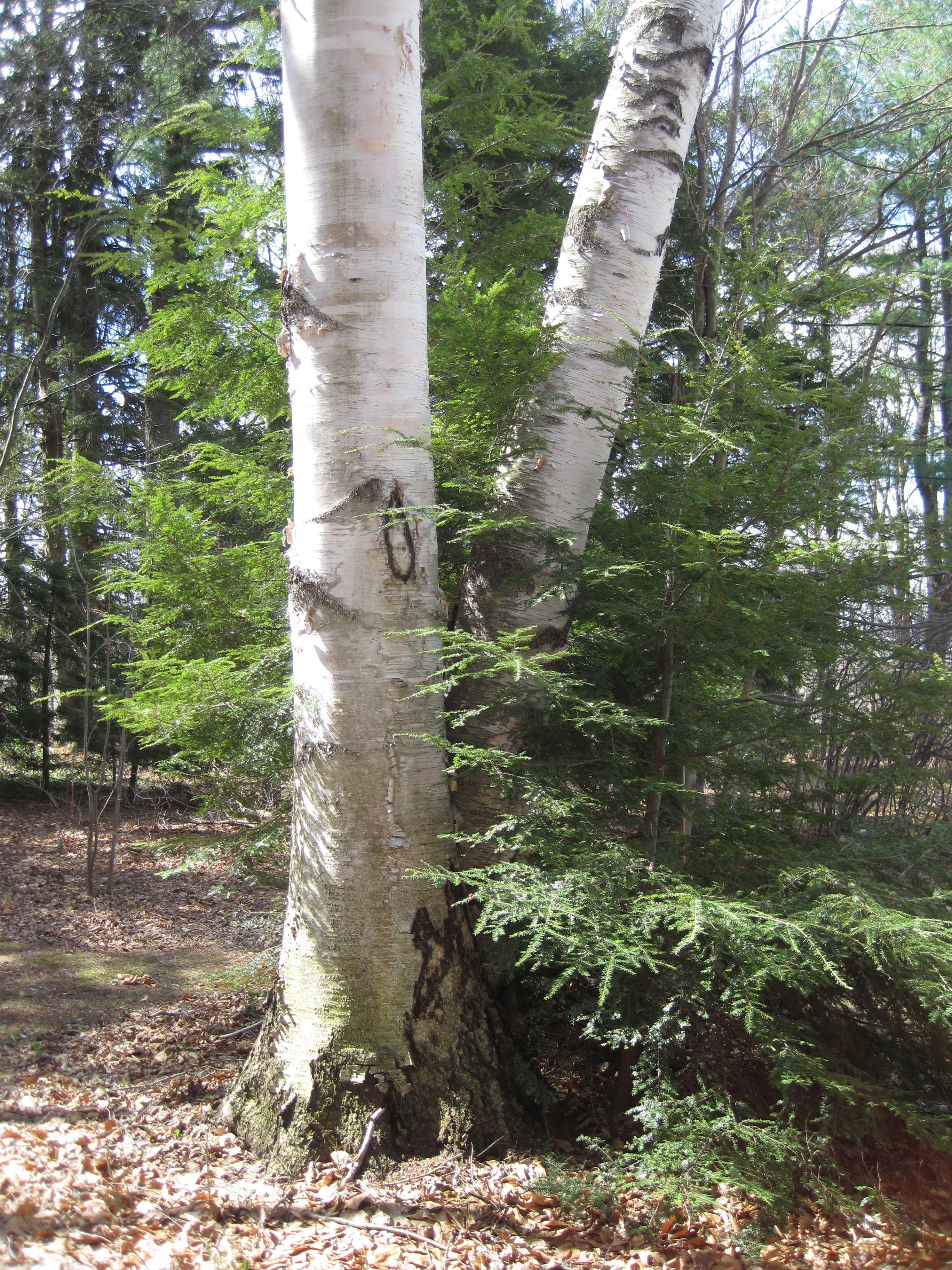
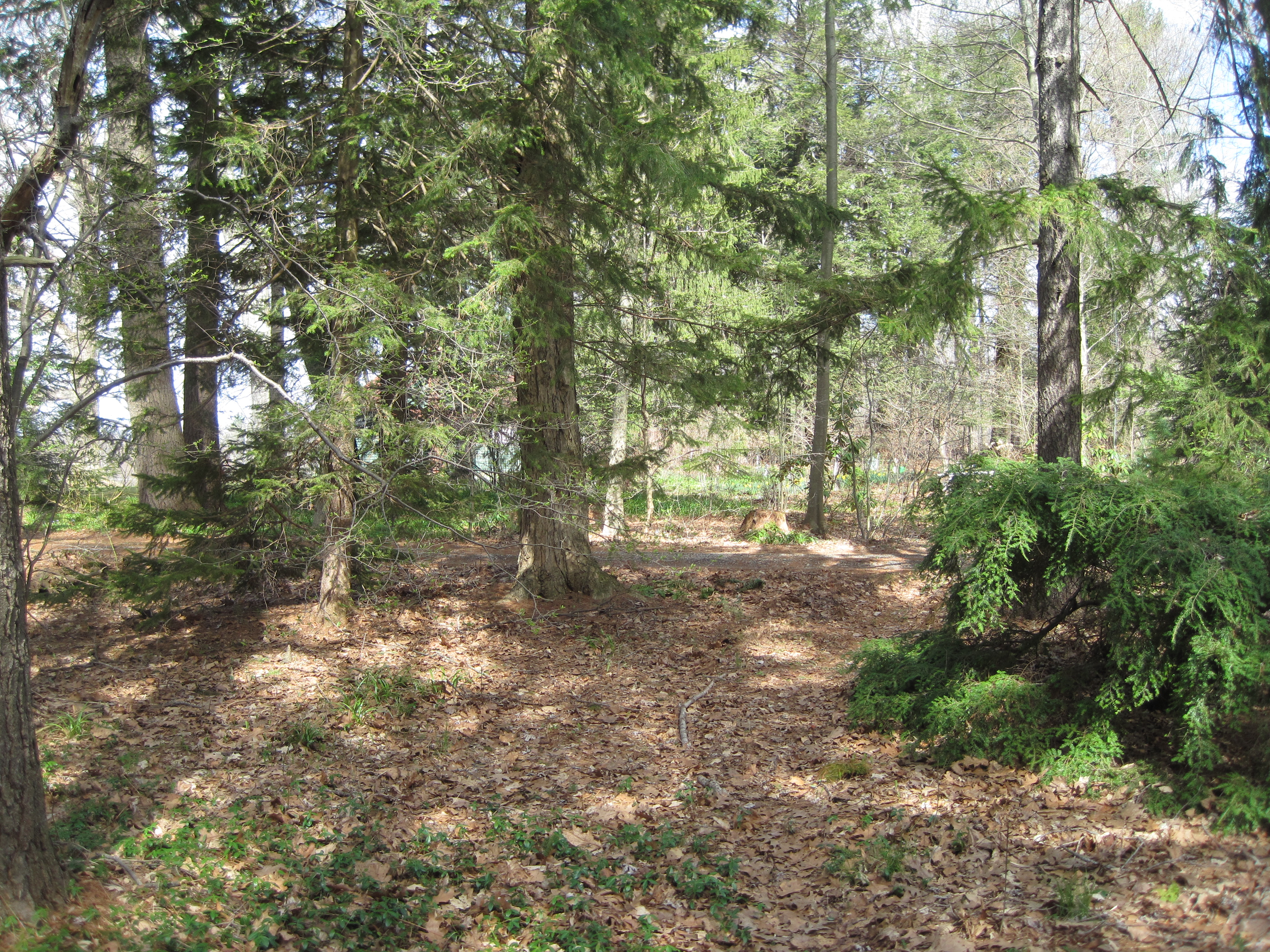
A walk around Saturday, May 9 2015 

001

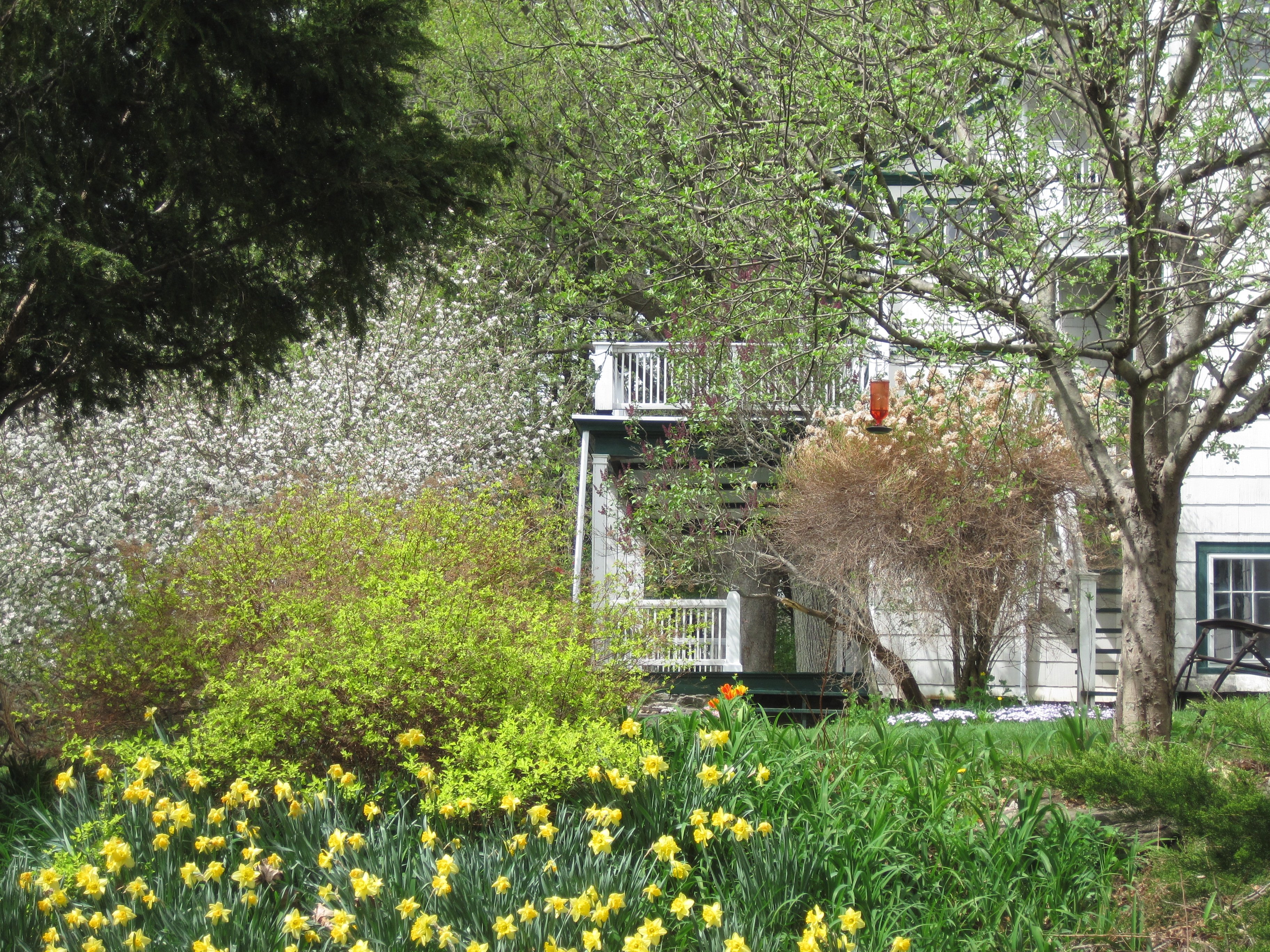
It would seem likely that I am making apple sauce this fall (the solid mass of white is a Wolf River apple!)

013

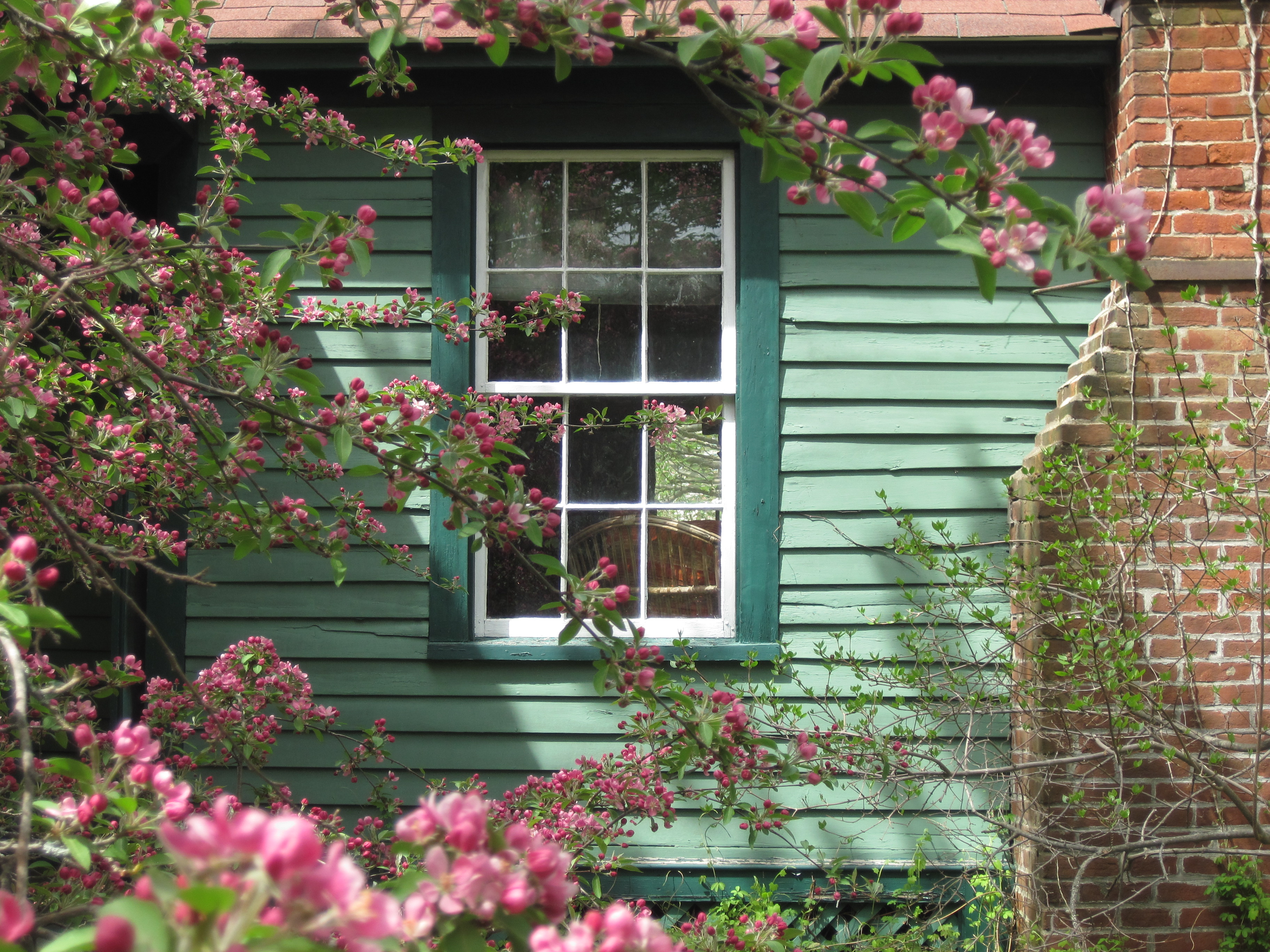
A good year for apples, this is one of the crab-apples

014

Looking back up at the Wolf River. Spring was in a bit of a hurry this year, usually the big Spirea hasn’t leafed out while the King Alfred Daffodils are still going, a bit of a clash of yellows there…

016

That crab-apple again and a window.

019

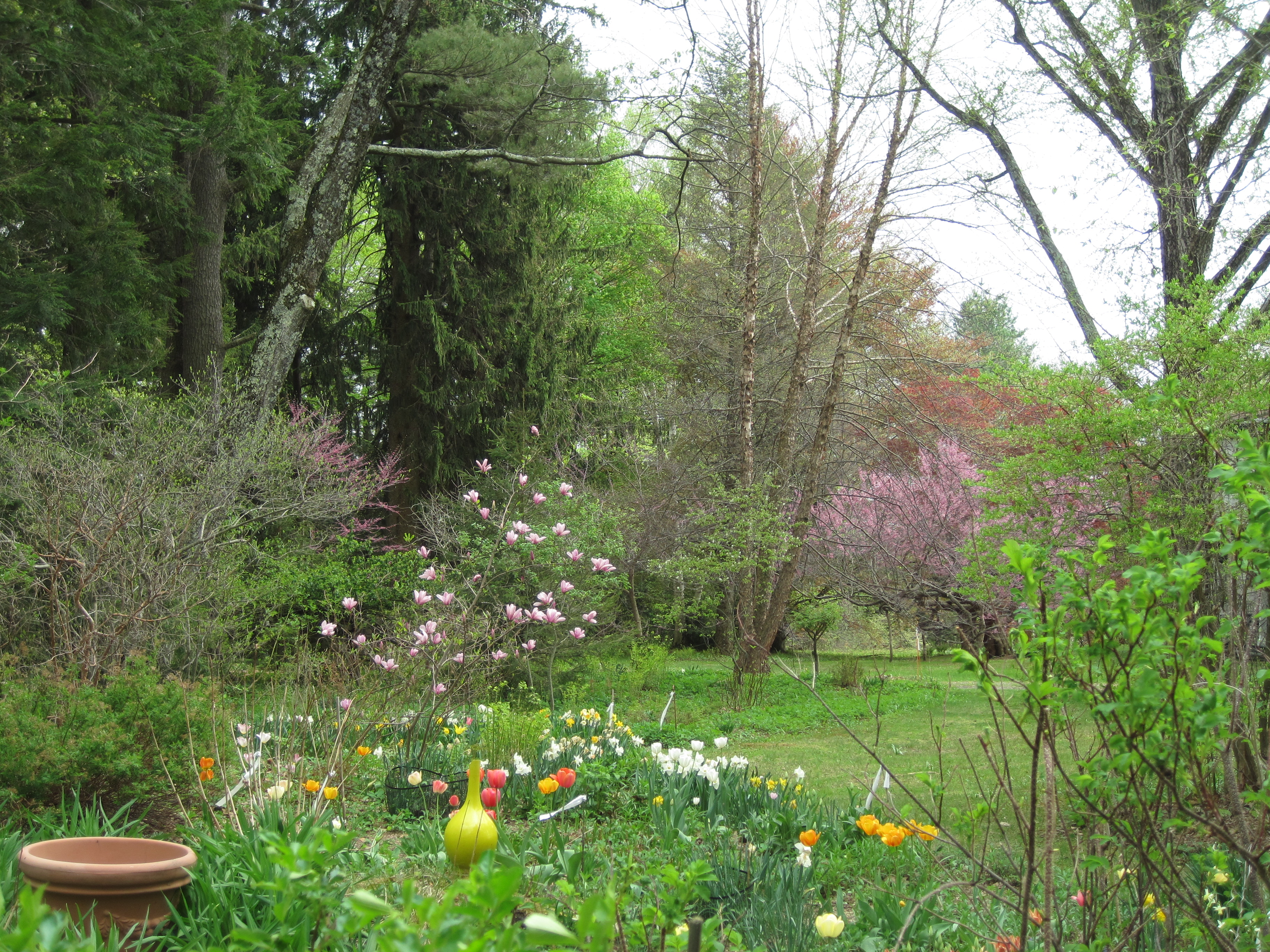
East lawn: Redbuds, Saucer Magnolia, Daffodils, and tulips


Pink Oak! Thursday, May 7 2015 

No not ‘pin’. Actually, this is our baby white oak. A carefully found (that took a bit of doing thanks to the high deer population) offspring of the big white oaks down below the Royal Oak pasture. When I dug it up several years ago, it was about six inches tall with a tap root deeper than the shovel. Careful excavation was required.

Today it is almost two feet tall (several years have passed) with multiple branches. Someday, it may rule the northwest lawn. Maybe in my nieces’ generation?

One of the reasons I selected it (aside from the repeat failure of commercial white oaks) was the spring color: rose pink. It should have lovely form as well, that will be told only by time.

021


020

You will observe the fence and the white flag (deer repellent)

Daffodils Monday, May 4 2015 

001

A quick walk Saturday, May 2 2015 

around the place, widdershins as seems typical, from a few days ago, at this time of the year things change so quickly that these are now out of date:

049

051

052

053

054

056

057

058

060

062

063

Unusual plant for the day Wednesday, Apr 29 2015 

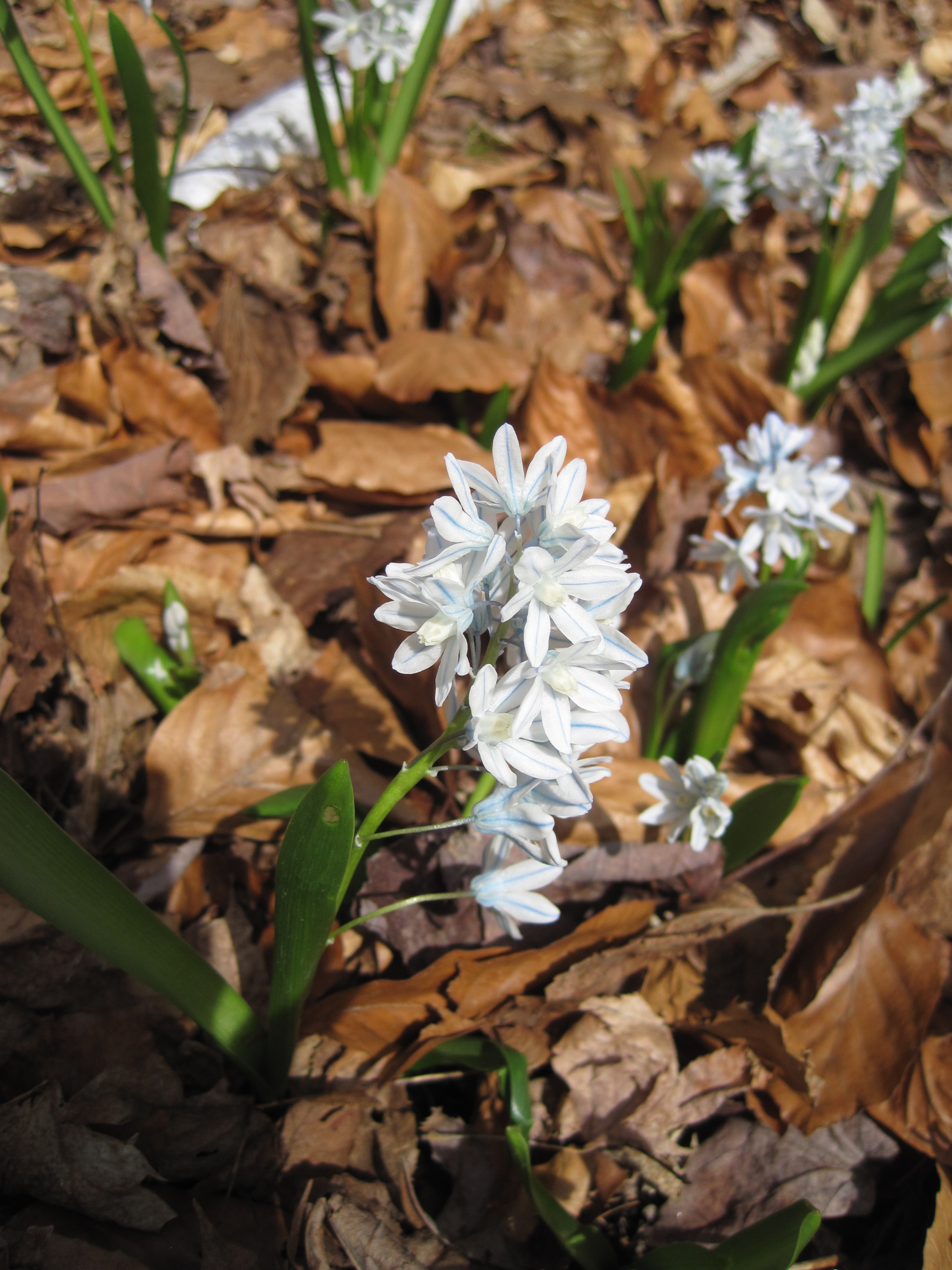
I haven’t found the ideal location visually for this one yet. The chionodoxa (bright blue) are spectacular against the river birch, the scilla (Siberian Squill) tend to be happiest in areas where the lawn greens up fairly early (so one has a saturated blue against the green). On the other hand, the Puschkinia are very happy, and multiplying, beneath the Paper birch; but the reflective, light tan leaf litter in the area reduces the impact of their flowers. Fussy of me!

Puschkinia scilloides var. libanotica (Striped Squill), native to the Causcaus. Similar in timing, growth, and habit to the scilla and the chionodoxa, very tough, white flowers with a blue stripe, about four inches tall.


019

Busy! Wednesday, Apr 22 2015 

We got the fallen pine tree, one of two fallen pine trees actually, shifted today, with the help of the red dragon. Hydraulics are wonderful helpers! Now to find a nice replacement spruce for the one that was squished by the old pine. Probably a Norway spruce, similar to the mature one a bit to the south. (Much smaller though!! Pity one can’t move 80 foot trees…)

The vegetable garden is being dug, slowly. The peas aren’t in yet, though, which seems a bit  late; but then the lilacs are only just starting to swell.

The crocus are almost done, with only a sparkling scatter of pure white crocus out in the meadow, (which is lovely emerald green, quite elegant).* The daffodils are beginning to bloom, all at once for some reason and relatively short. Don’t ask.

*Including one way, way out in the field about as far as one can go.  A very ambitious chipmunk no doubt, I feel bad about him forgetting his dinner location though…

Rain! Monday, Apr 20 2015 

I know, in comparison to other places, we aren’t exactly dry. Still, a good day of spring rain is wonderful; one can watch the buds swell, the color come into the trees, the grass turn green. It was also a good day for slipping a few new roses into the ground. Among them: ‘Alba Maxima’ the Jacobite Rose (which is also known as the White Rose of York) and ‘Gallica Officinalis’ the Apothecary’s Rose (which is also known as the Red Rose of Lancaster). History lives in plants; I hope that these will get along better than the people did….perhaps I ought to plant a thistle and a leek?

It’s back! Friday, Apr 3 2015 

I think something ate a fair number, but there are definitely some. And it is early yet. Further observations from last year show that they do send up multiple flowers and are fragrant. They also appear to be able to multiply (a skunk dug up a corm and I noticed that it had several small corms (cormlets??) splitting off.

https://acairfearann.com/2014/04/14/crocus-angustifolius/

Crocus Monday, Mar 16 2015 

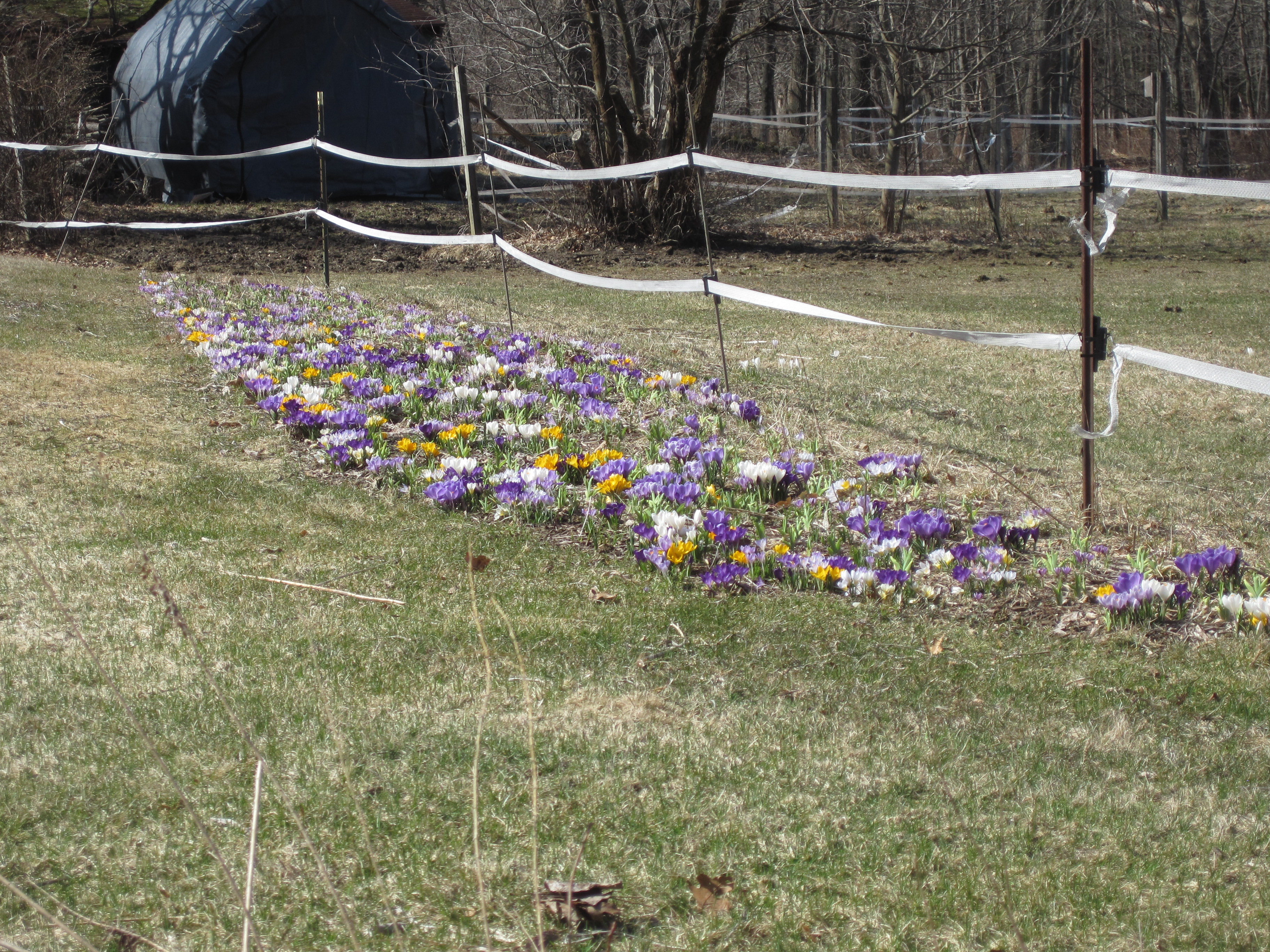
As requested, from last year (April 9th, 2014) when c. vernus were at the height of their bloom. By that date in early April the species crocus were largely past. This year, considering the snow still out there, who knows when they will flower; in comparison, the snow is currently at the lower fence line as seen in the photo. Spring, though, is fast. Even with that snow out there, it is possible that the c. vernus will be in bloom only a week or so later than last year. We shall see!

026

*There is some major foreshortening in this photo, each section of fence is between 12-18 feet, and the photo is taken from about 20 feet away from the fence.

Linkbait Sunday, Mar 15 2015 

Following on from an excellent presentation at our Land Trust’s annual meeting* by Dr. Kimberly Stoner from the Ct Ag. experiment station on native bees. I can’t wait for our crocus border! It always attracts the bees and now I know why. (early food source for overwintering bumble bee queens amongst others…and there are many different bumble bee species)

One of the best places for information:

http://www.xerces.org/

Take particular note of the publications menu, a lot of information in it.

*In the interest of full disclosure, I am the Land Conservation Commission Chair on the board for the land trust.

« Previous PageNext Page »