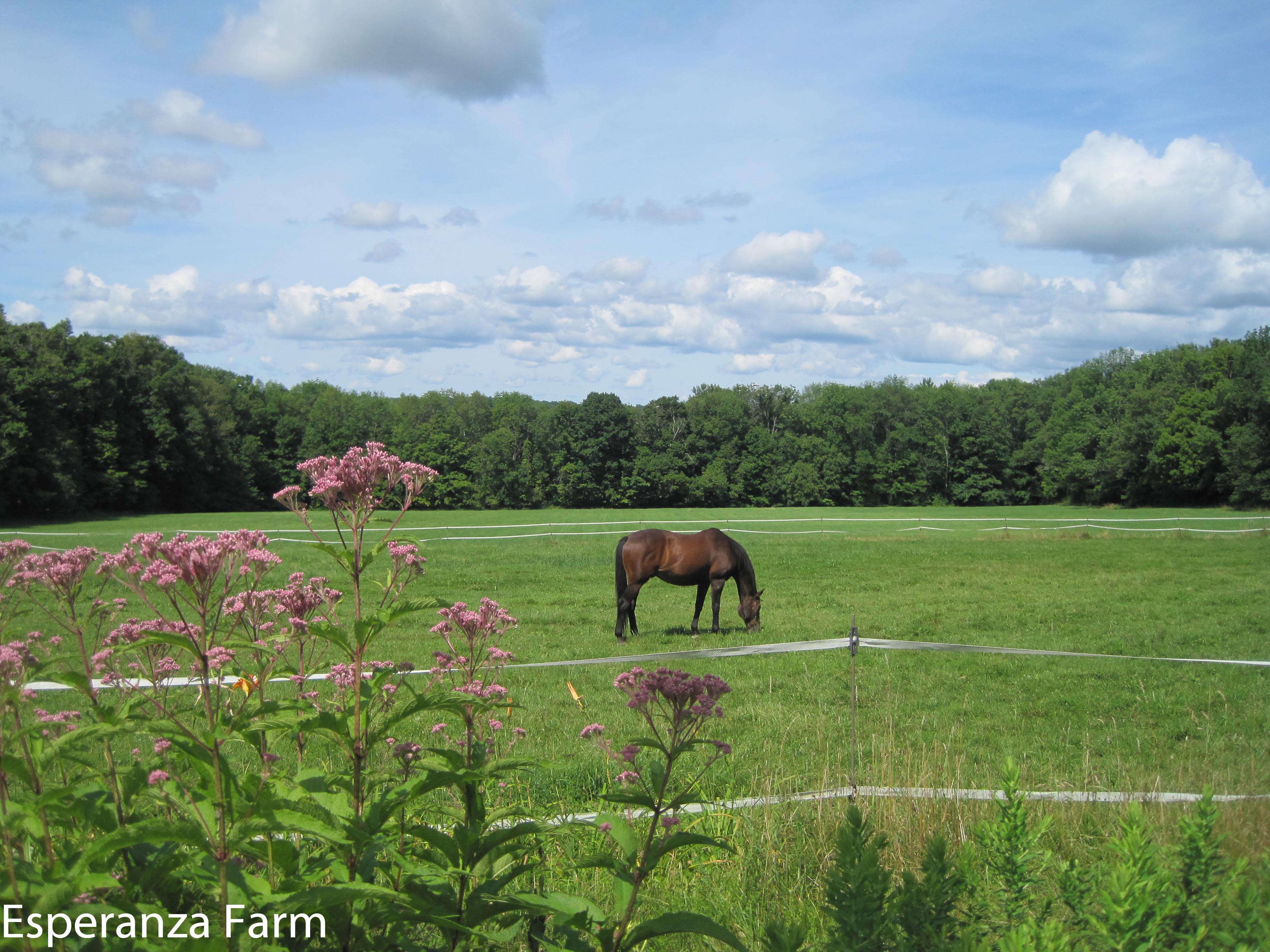
Moment of Zen Sunday, Aug 4 2013
Landscapes and Modern Photos connecticut, horses, photography 10:24
Connecticut Summer Sky Saturday, Jul 27 2013
Landscapes and Modern Photos photography, scarlet oak 15:05

At twilight after a thunderstorm. The tree in the foreground is a volunteer scarlet oak.
Comments Off on Connecticut Summer Sky
Random Photo Wednesday, Jul 24 2013
gardening and Modern Photos gardening, lilies, photography 10:44
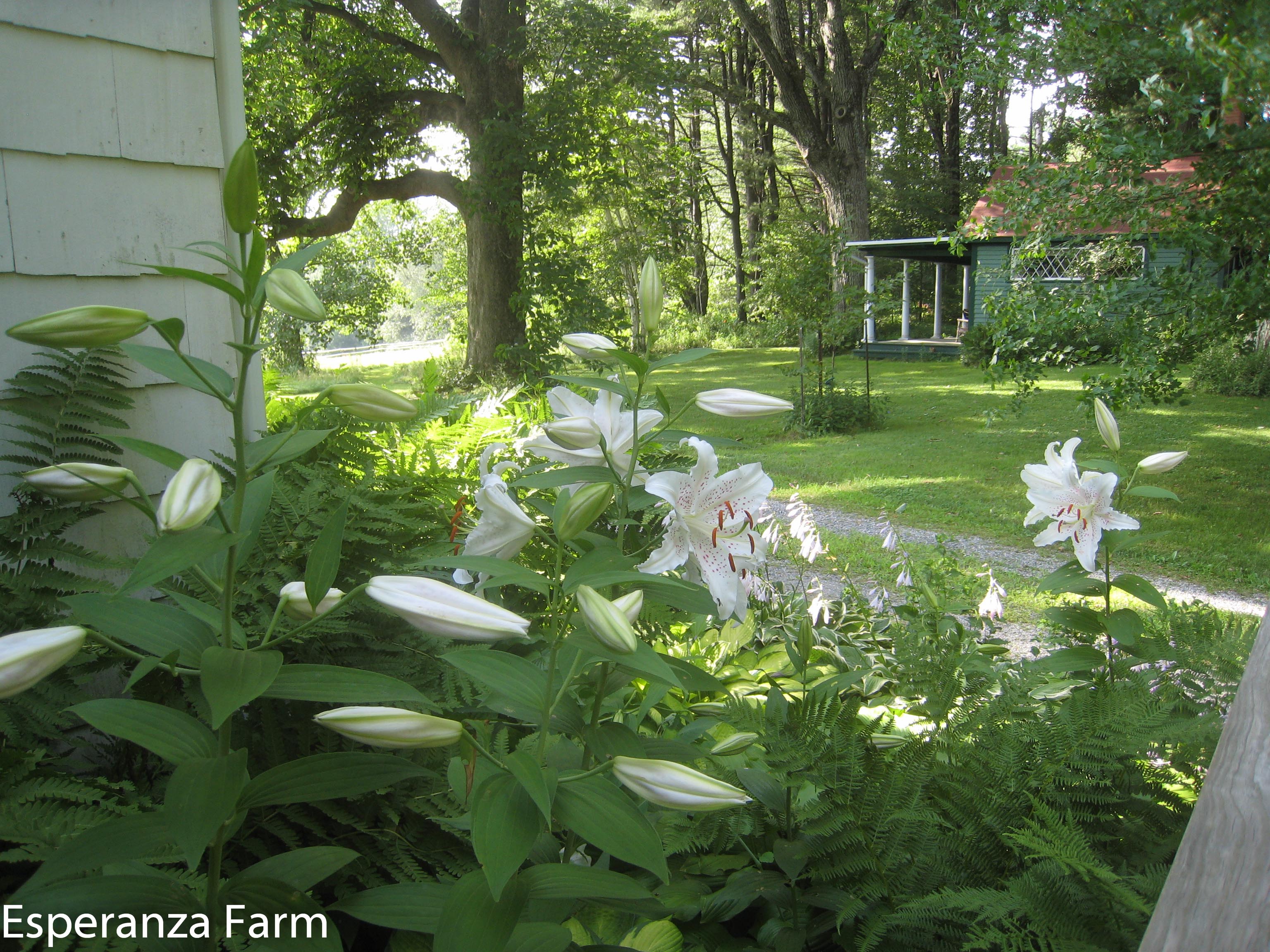
Some lilies, ‘Muscadet’ and ‘Casa Blanca’ by the east porch
Comments Off on Random Photo
Black Snakeroot Tuesday, Jul 23 2013
gardening and Modern Photos actaea racemosa, gardening, photography 11:47

Also known as bugbane and black cohosh, with the latin name of actaea racemosa (formerly cimicifuga racemosa); snakeroot is a eastern N.A. native growing from Ontario to Georgia. It is increasingly rare in some areas, actually considered to be threatened if not locally endangered in Ct. This is probably because it is a slow growing plant, taking several years to flower, and prefering shaded, damp woods. The closely related a. simplex is the species from which the cultivated types have been bred, including the purple varieties.
Esperanza has a lot of snakeroot, to the point where it is almost a nuisance in some spots. A fully mature plant really should be considered as an herbaceous shrub. It is the backbane of the late July garden, the flower spikes (which can reach 8 feet) twist and turn in a wonderfully dynamic fashion. Despite the name bugbane, the pollinators love it. The one in the picture is growing up through the low branches of a Japanese maple.
Comments Off on Black Snakeroot
Oriental Lilies Sunday, Jul 21 2013
gardening and Modern Photos gardening, lilies, photography 15:07
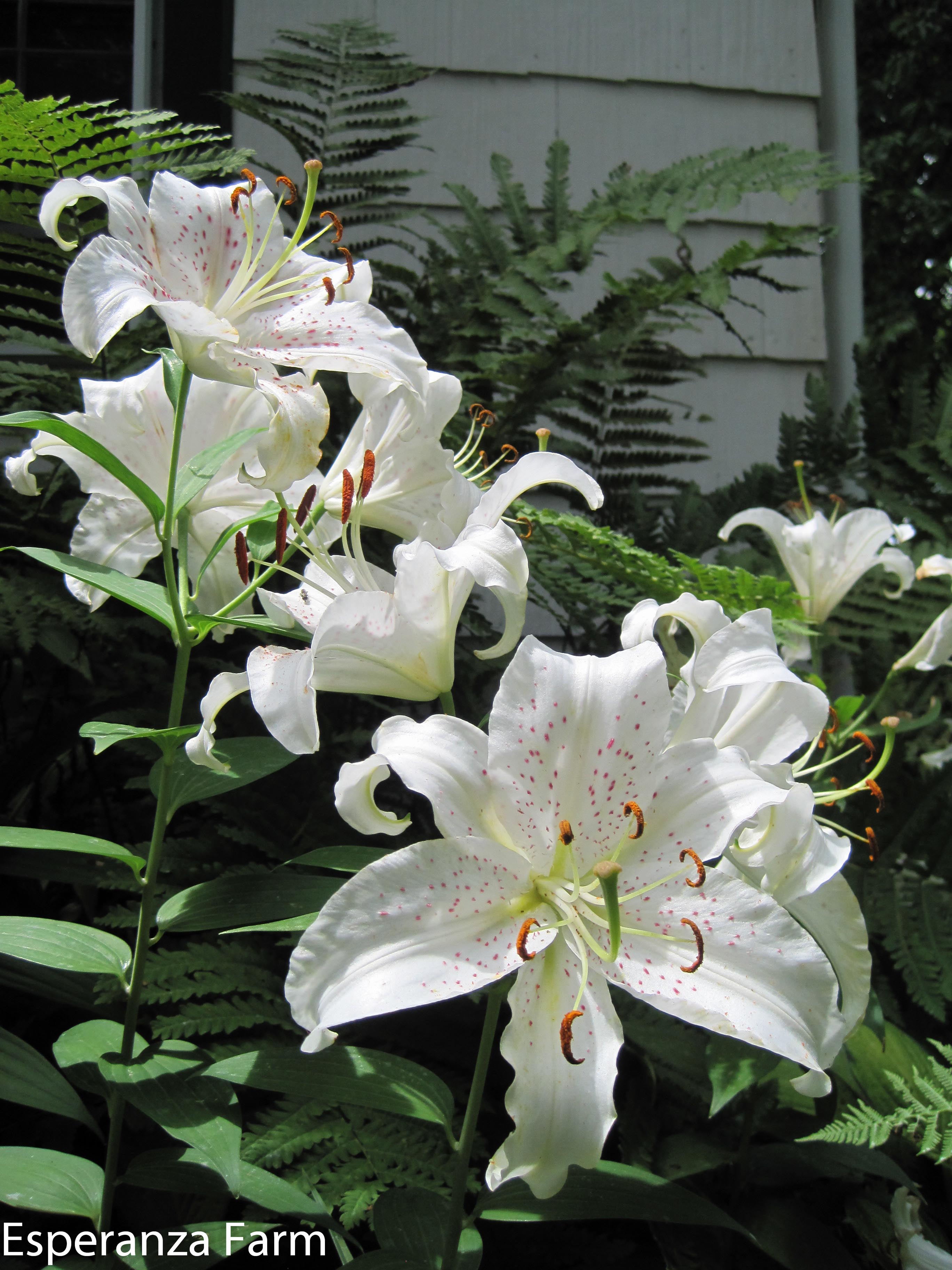
In my opinion, it would not be late July in New England without a big stand of Oriental Lilies by the main door. Preferably located where their fragrance, which is strongest at night, can drift inside. It is a spicy scent, not ‘floral’ really at all. They are a little early this year, they really ought to be in August; but I certainly enjoy them. It is also worthwhile to note that while the lily beetles will eat them, they prefer the Asiatic lilies; so the latter can function as a trap reducing the amount of effort needed to protect the Oriental lilies. Though one still needs to keep a very close eye on them. Support is also useful, in this spot some ferns help out, elsewhere, lanky rugosa roses give some support.
Sunset at the Flagpole Saturday, Jul 13 2013
gardening and Landscapes and Modern Photos gardening, landscapes, photography 13:27

The flagpole, which was put up in 1999, has gone through a variety of forms, the first was the top of a Norway spruce, this one is basically a box. We can pivot it down to untangle the lines or do repairs. Originally, the drive had a turn around below the flagpole. That is long gone, but the area is the only well-draining, truly full-sun, garden. Well, mostly sun, with the trees and house to the east, it is in the shade until mid-morning. It is currently an arc of white Shasta daisies, earlier it was red Oriental Poppies with blue and gold iris; in the fall it will be mostly dusky pink and blue from NY/New England asters and Joe-Pye weed, with a touch of goldenrod.
The bench gives you a bit of scale. The large tree looming there is a bit of the big Cucumber Magnolia.
Poppies in the wind Thursday, Jul 11 2013
gardening and Modern Photos gardening, photography 14:19
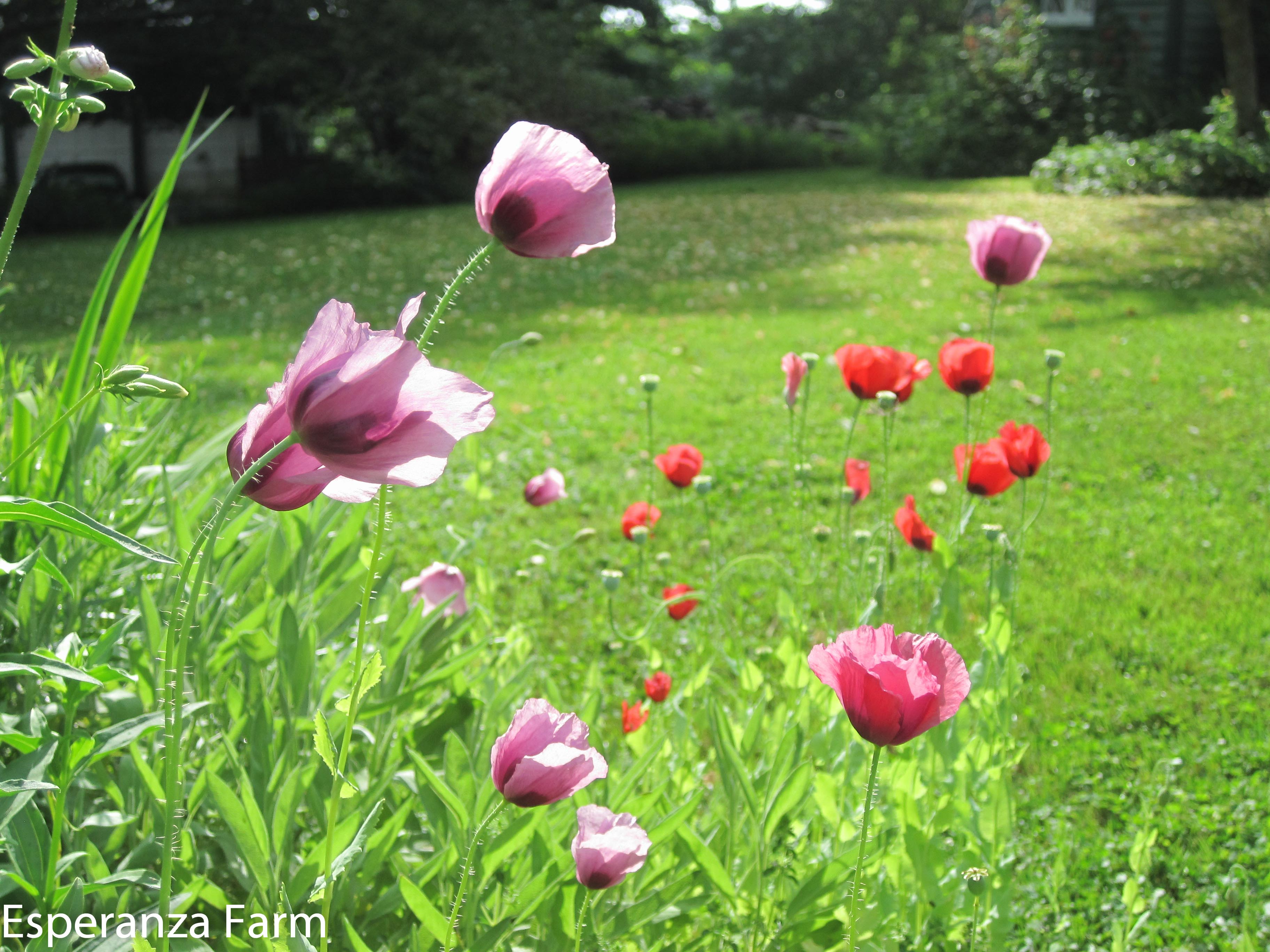
Comments Off on Poppies in the wind
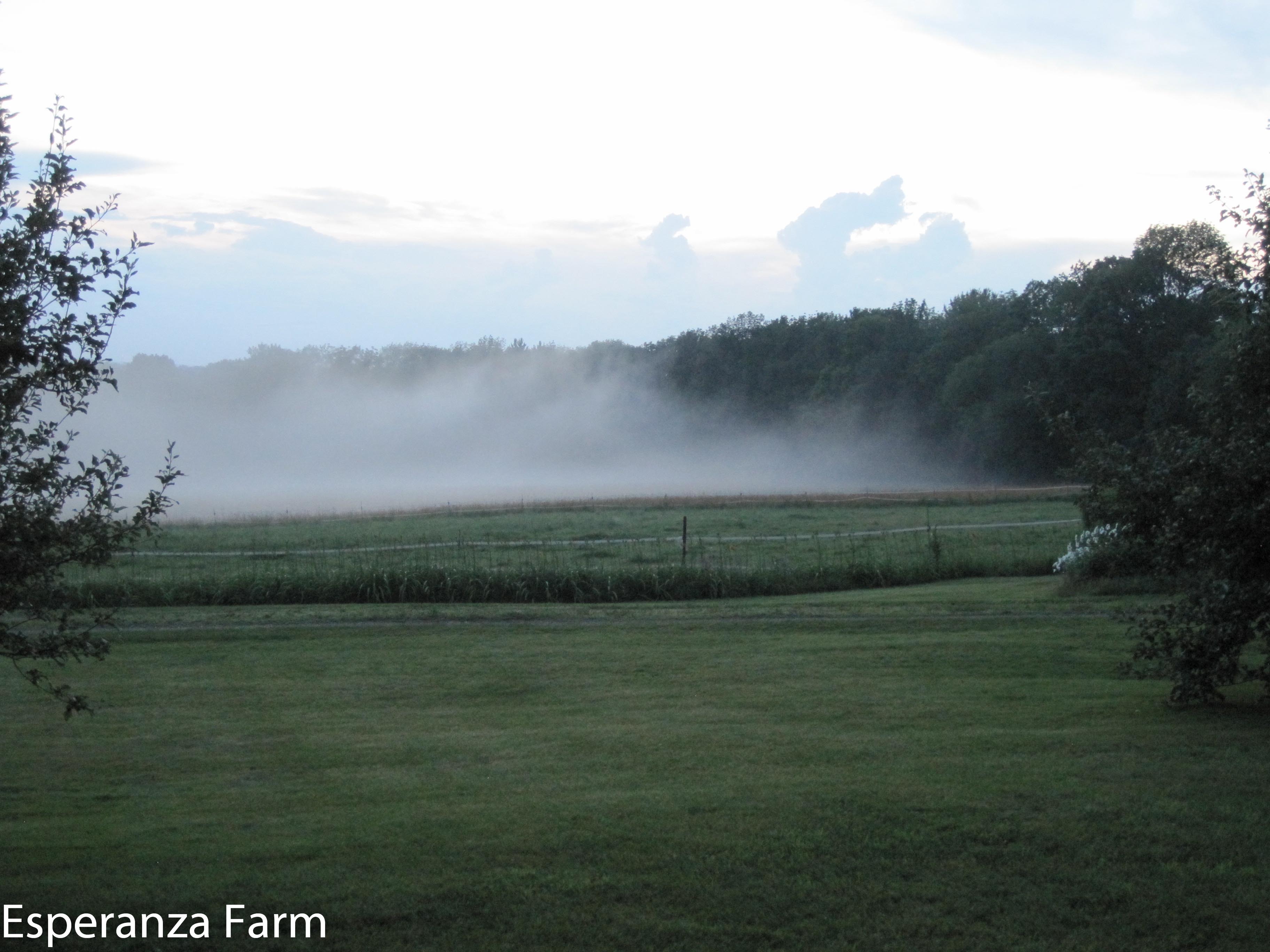
Meadow Moods Tuesday, Jul 9 2013
Landscapes and Modern Photos photography 12:57

Comments Off on Meadow Moods
Spigelia marilandica: Indian Pink Saturday, Jul 6 2013
gardening and Modern Photos gardening, photography, spigelia marilandica 15:07
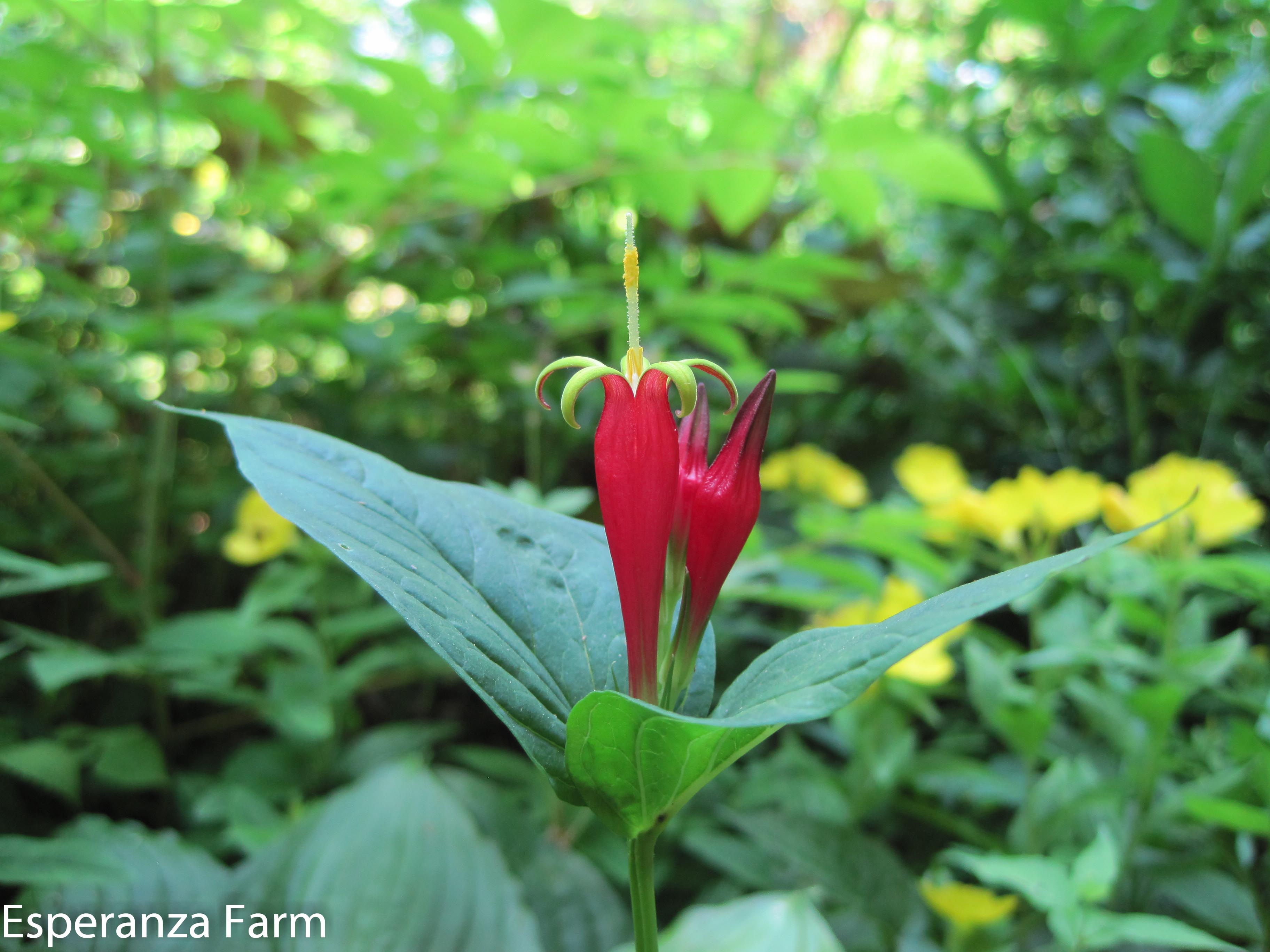
This is almost certainly as far north as one can push this plant (erratic zone 5, technically zone 6 but capable of zone 4 winters). However, my small clump is slowly increasing by about a stem or two a year. It comes up Extremely late, so marking its location is critical. The yellow background is Ozark primrose, a very happy and useful plant.
The Old Willow Saturday, Jun 29 2013
Julie's Pond and Modern Photos photography, trees 15:48
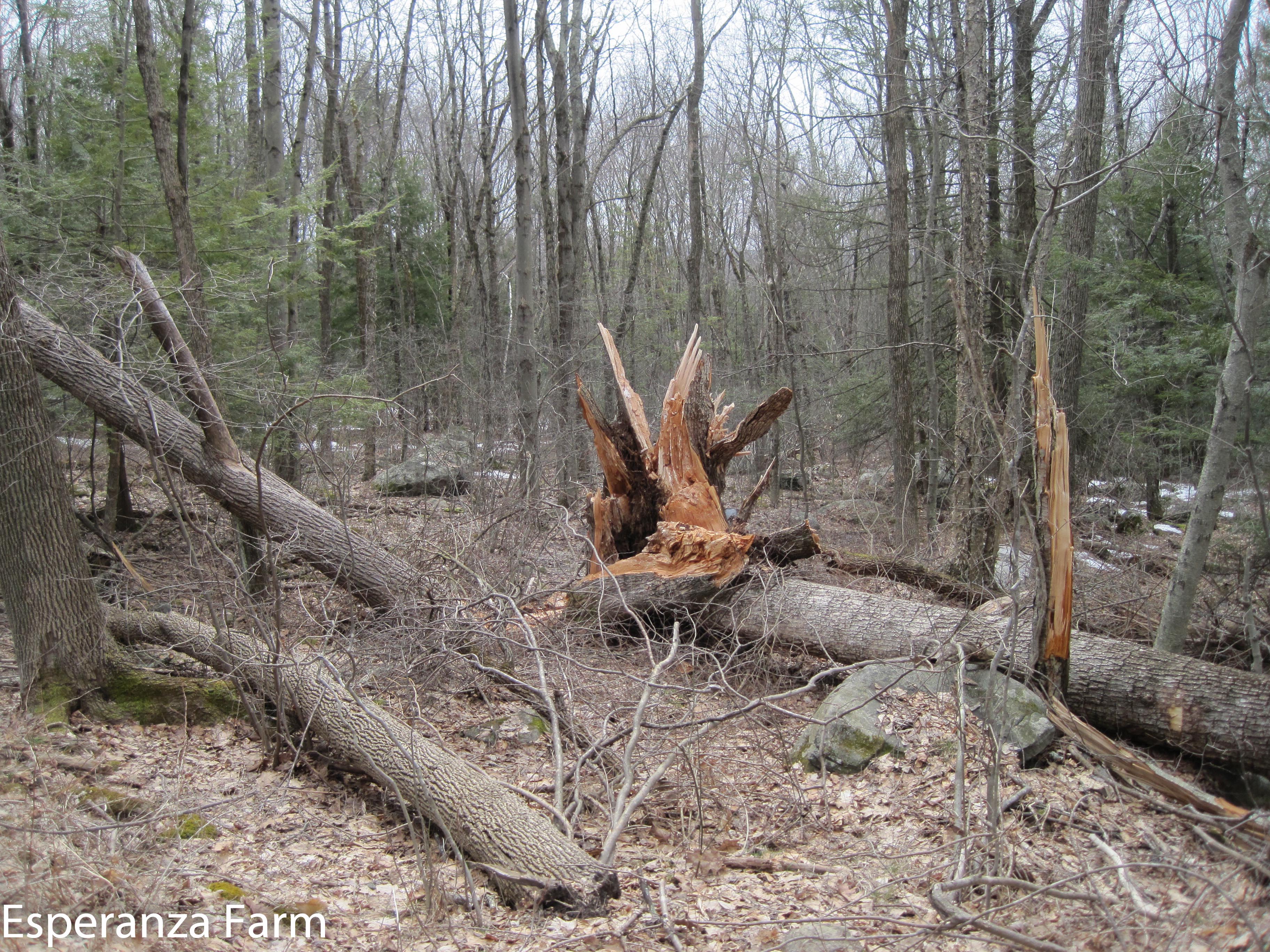
Down below Julie’s Pond, there was a massive triple-trunk Black Willow. A few years ago, one trunk failed, during this year’s storms the other two finally went, first one and then the other in different storms. Each trunk was a solid 18 inch diameter, and they split off about 7 feet above the base. The ruined base made for a fun set of photos. For scale, the horizontal broken piece in the first photo was about 6 feet off the ground.

Comments Off on The Old Willow
 Acair Fearann