Peaches! Tuesday, Sep 3 2013 

Because southern New England has a sufficiently mild climate, peaches grow quite well here.  In the Berkshires, peaches grown in the valleys are susceptible to late spring frosts, which will knock out the crop.  This is also a problem with apples.  Consequently most orchards are on the top slopes of hills.  This seems slightly counter-intuitive (higher equals colder) but it is late spring frost which is the threat, not the actual winter temperatures.  The upper slopes of hills generally have more air movement, this helps to avoid the very late frosts which occur in the valleys as cold air settles over night.  The actual meteorology is not something I understand, but it works!

In any case, our peach tree is on the top of a hill and immediately south of the house.  The house’s proximity creates a zone 6 microclimate for it (and two new clematis), since the wall has a fair bit of solar gain and the wind is cut by the surrounding buildings.*

Despite a chronic and severe infection with one of the wilts, which makes picking the fruit less than romantic;* we always get a fair number of peaches.  I don’t have the guts to thin the peaches like I should, so they are always small.  This year, I have frozen three pies, the makings for at least five cobblers, and we canned 6 and half quarts.  Plus eating a number, and there are still plenty left.  Not bad, considering that distractions and poor weather meant we didn’t do as good a job in the picking/canning/freezing as we ought to have.

*Yes, I know they reclassified us as zone 6…and some years we are, and most years a zone 5 and once in awhile zone 4.  Zone 6 plants do not overwinter here unless they are on the south side of the house.  Zone 5 plants do.  I suspect the plants are more accurate than the map makers.

*The peaches that get infected literally turn to balls of mold on the tree.  Fun.

What’s blooming Sunday, Sep 1 2013 

Autumn clematis: all across the hilltop, whether this is the native ‘wild’ or the introduced, I honestly don’t know.  I know our’s is the introduced type. (ivory)

Goldenrod: at least five types (yellow)

White wood aster (heart-shaped leaves): a bit early, it absolutely blankets the woods here (white)

Whorled wood aster (white)

A variety of asters, from the tiny calico types to the big, purple New England types. (I figure if the botanists can’t tell them apart, I probably can’t either) (whites/blues)

Blue Lobelia (blue)

Red Lobelia (cardinal flower) (RED)

Jerusalem artichoke (a good clear gold)

Lingularia (a mustard gold)

Indian tobacco (small blue flowers)

Black eyed susans (yellow)

Pholx (paniculata) (white/pinks)

Shasta daisies (white)

One late white hosta (white)

Morning glories (dark blue)

Scarlet pimpernel (red)

Marigolds (yellows/oranges/reds)

Sunflowers (yellows)

Hyssop (dusty violet)

Monarda (red)

Jewelweed (orange and yellow)

Some rebloom on the Weigelia (red)

Hydrangeas (white/rose/blue)

Caryopteris (blue)

Japanese Anenome (pink)

other…

Seasons Friday, Aug 30 2013 

I could never live in the South, and certainly not in the Tropics.  About this time of year, despite the abundance of peaches, beans, tomatoes, squash, garden flowers, etc… I start thinking about the cleansing qualities of a good hard frost.  That veggie bed with the slight pong of decaying vegetation? Clean!

I can’t imagine having to deal with bugs, humidity, fungi, and all that ilk year round.


Light and Shadow Tuesday, Aug 27 2013 

_MG_9771

Where’s My Leaf! Monday, Aug 19 2013 

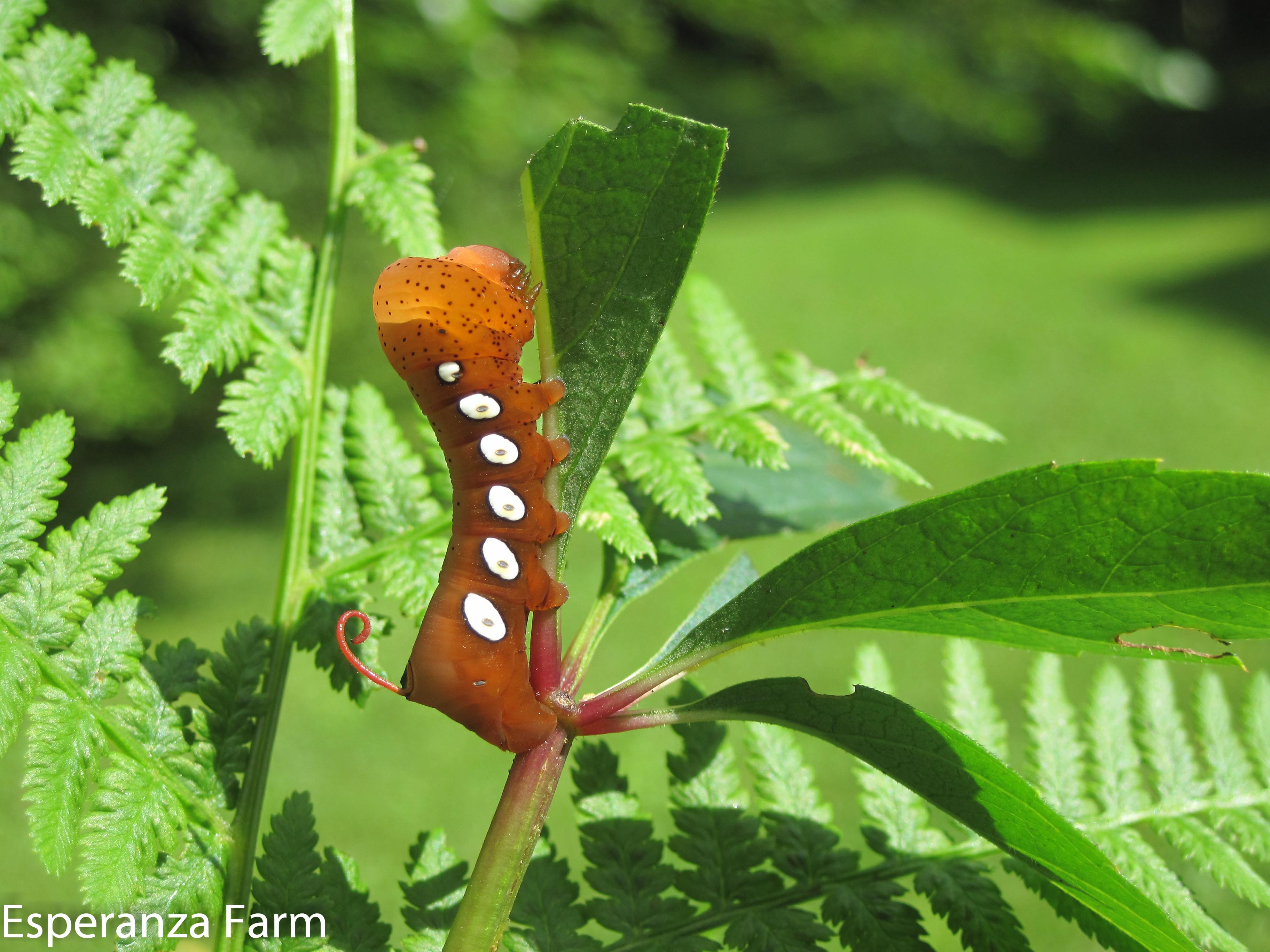
Caterpillars

Haven’t a clue as to his identity, but the curled ‘tail’ is decidedly cute, even if his head is exceedingly, indeed unfortunately ugly.


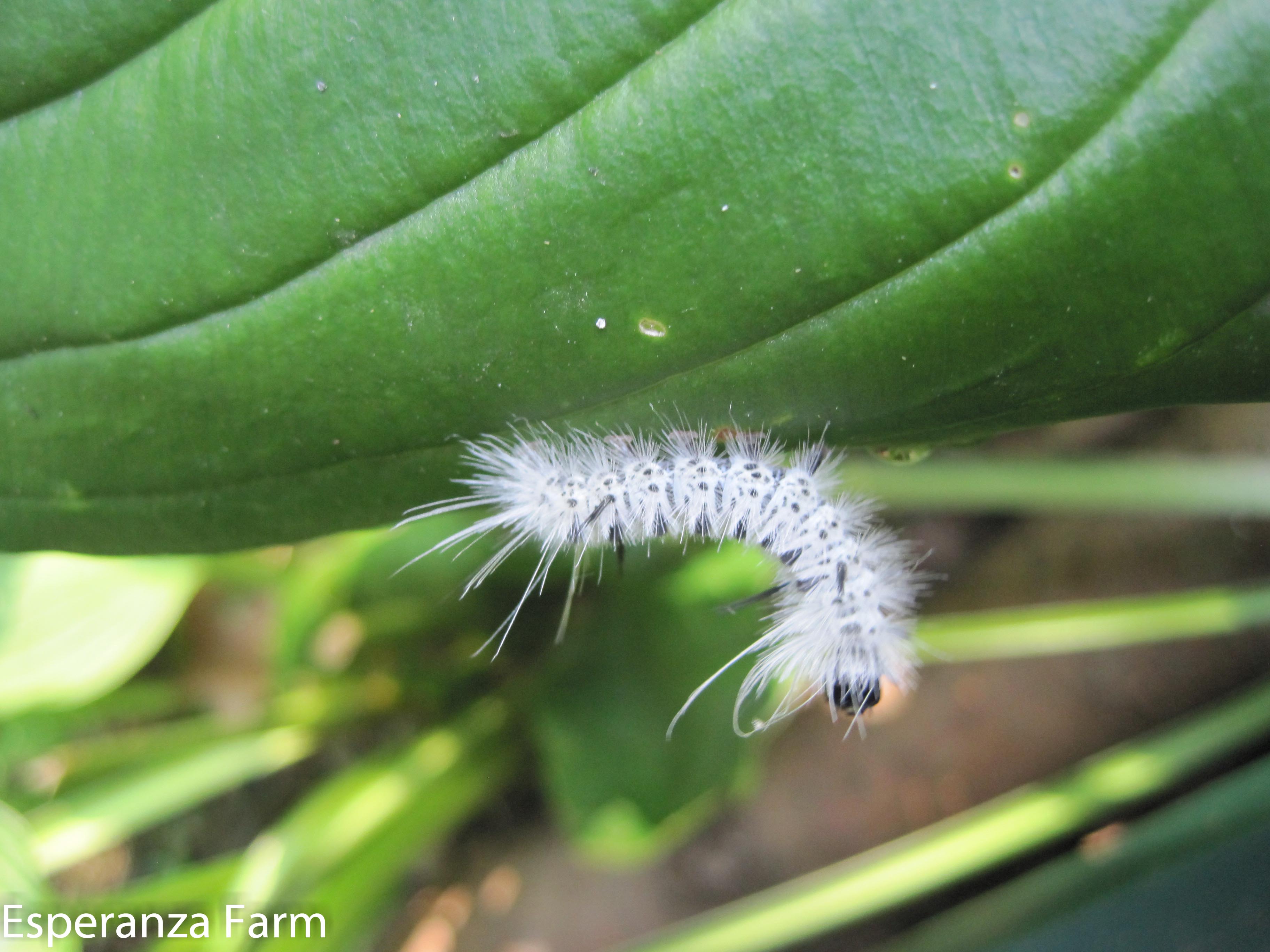
Caterpillars

We always have these little white and black furry caterpillars on the porch, no clue with their identity either.  If anyone knows of a good Caterpillar ID guide, I’d love the reference.

Old Garden Phlox Saturday, Aug 17 2013 

We have a lot of phlox, mostly the reverted tall, pink, as seen here.  The white in the background is also phlox, ‘David’. This pink seems to be what garden phlox breeds back to when it is allowed to cross and reseed.  A named variety clump will stay true to itself, and can be propagated by division; but the majority of seedlings will be tall, middling pink. even when a true white such as ‘David’ is around Not all, of course! And isn’t that the problem, you keep all of them in hopes of one really neat one…

IMG_6494

Apples Thursday, Aug 15 2013 

There is, in my Not humble opinion, few things more lovely on a cool, August day than ferreting out the first dropped apple and eating it.  This may be because we have a wonderful old style McIntosh.  It has small little apples, barely bigger than a crabapple, unsprayed, unreachable, and incredibly crisp and sweet.  But not too sweet, no toothache.  No mealiness either. Of course, given the bugs, and the odd shapes, and the bruises, one can only get a few bites per apple.  But, that almost makes them better…


(and no, I don’t wash them, or peel them, or cut them!)

‘Closed Canopy’ Wednesday, Aug 14 2013 

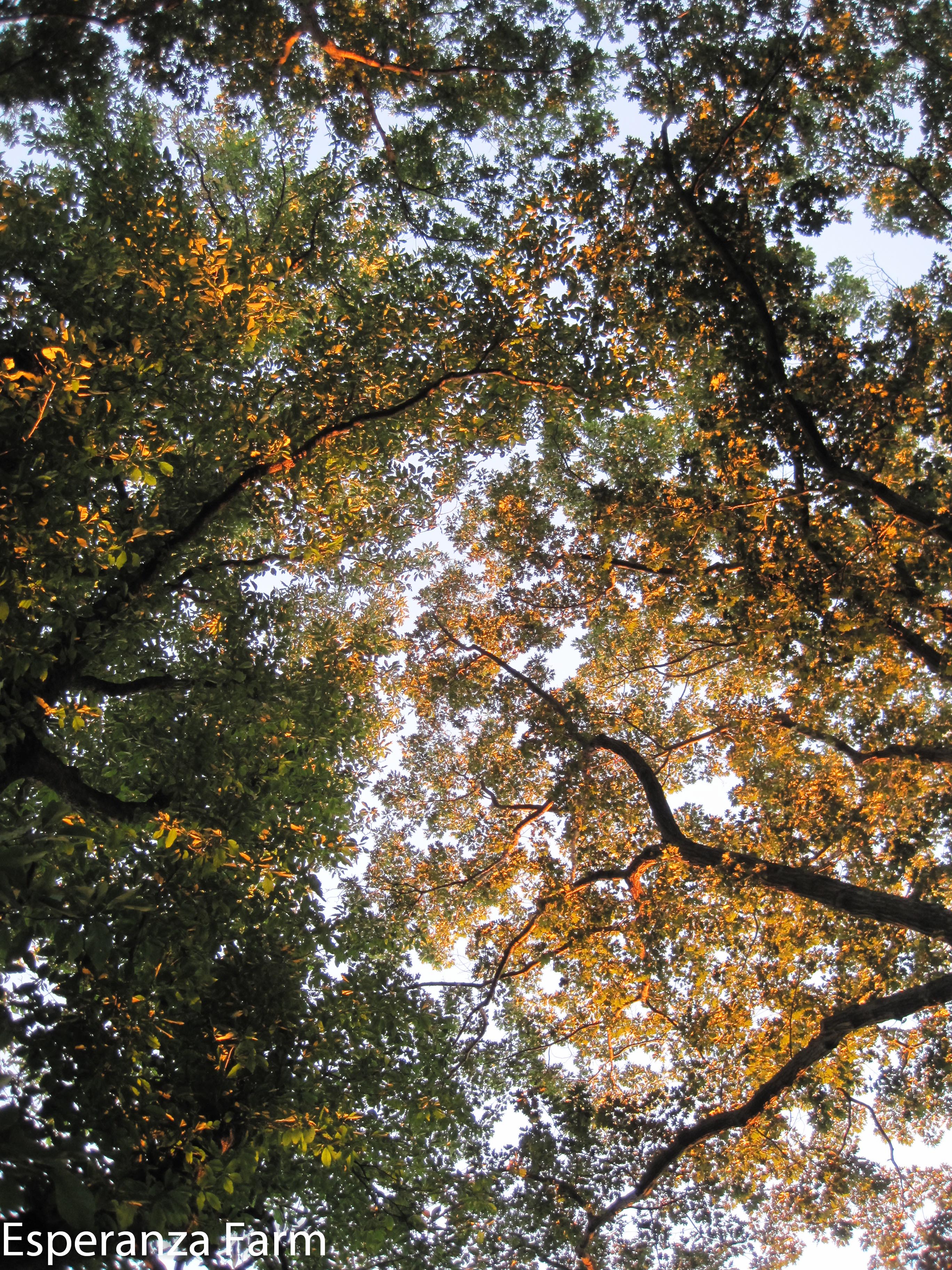
Technically, in a forest a fully mature stand is referred to as having a ‘closed canopy’: the tree has grown together and there is no open sky.  If viewed from above the two big oaks and the cucumber magnolia have a closed canopy.  You won’t see the north lawn in the summer from above no matter what you do.  However, trees like their space, they compete, they quarrel, and they do not happily share.  You can see the dividing line quite nicely in this photo, looking straight up: the magnolia is the left side, the oak the right (the third oak has a bit of the top left as well)

IMG_1326

Looking to the Fall Monday, Aug 12 2013 

I’m a Vermonter by birth, a Yankee by blood, and a Scot at heart…I Love November.  November is my favorite month; preferably complete with bare, rain-lashed trees and smoke on the wind.  January rain in Edinburgh is a close second (except it is a city)

August is when the weather turns, no hint yet of fall in the air; but there are the cool, clear nights that hold the promise.  August is probably a happy compromise for most people.  Still emphatically summer; but the heat and humidity are easing; the twilight is lower, longer, and often colder.  You can still go to the beach and enjoy it; morever, if you are a beachgoer, a night bonfire becomes more enjoyable.  Thus satisfying those night-owls amongst you.

In some ways, August is also a time of reflection for gardeners here.  For the most part, whatever you have gotten done for This summer, this year, is done.  Whatever you do now is aimed at the future not the present.  That, for me, gives me a chance to reflect, to readjust, and to hope.  Not for tomorrow, but for next year.  Hoping for next year is old behaviour.  Next year….  That ability to hope for something so far away? A pretty amazing thing to be able to do.

Garden combinations Sunday, Aug 11 2013 

White clethra and red cardinal flower look rather nice together: gorgeous ivory and red spires.

Joe Pye and Goldenrod: old rose and gold

Cardinal flower (blue and red), Black Eyed Susans, Coneflower, Shasta Daisy: white, blue, red, gold, with just a bit of dusty pink

Phlox against the trees: all the shades of pink, plus pure white

The last few flashes of orange daylilies, white oriental lilies

Burgundy coleus and silver leaved Rose Campion

and so forth

August, unlike July, gives one some wonderful days: no humidity, blue skies, full of life.

« Previous PageNext Page »