Gardening: an incomprehensible activity Monday, Jun 9 2014 

I sometimes wonder what an alien would think of a gardener’s efforts. One always seems to spend a great deal of time cutting down the vigorous plants so that the other, not-so-vigorous plants can grow.

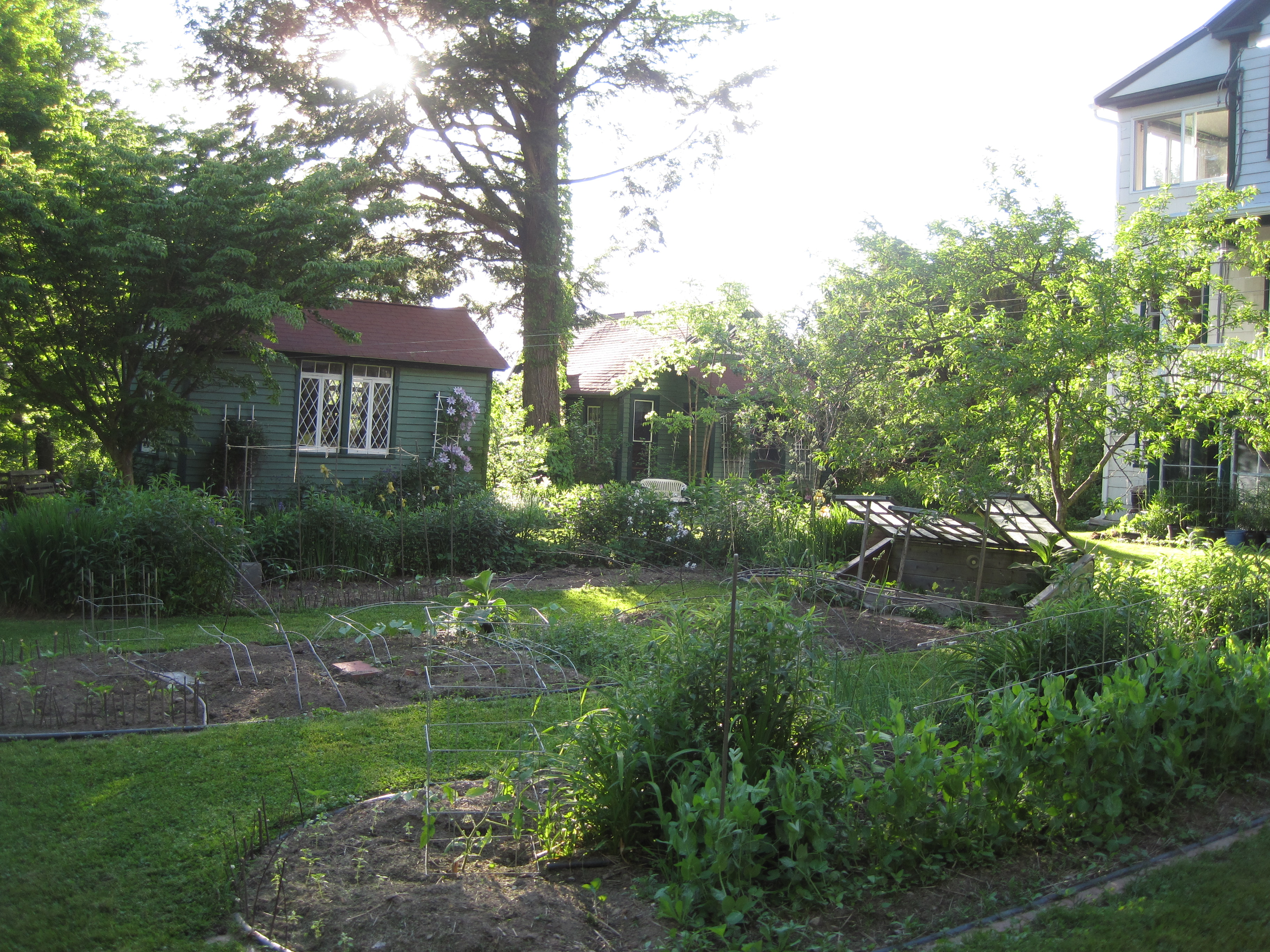
In this case, giving the bedstraw a good scare.*  A pernicious invader of hayfields, pastures, and garden beds, bedstraw may smell nice when dry and may have pretty, frothy sprays of tiny white flowers; but it is simply not needed.  It will choke even the most vigorous of plants (such as daylilies), because the long, sprawling stems catch and weigh down other plants. Furthermore, if there is enough in a bale of hay, horses won’t eat it.  The 100 odd feet of daylily fence is very prone to invasion by bedstraw: as the field, if given half a chance, would become bedstraw city.  It, however, is regularly mowed** so the bedstraw naturally tries to move under the fence and into the daylilies, which can’t be mowed.

I didn’t realize that the bedstraw would be such a problem at first, so it got a jump of a year or two on us. I should have, of course, it was there; but our mowing was such that it wasn’t quite So evident.  With the change in how that section of lawn is mowed and the creation of an entirely unmowable section (the daylilies) it blossomed, quite literally.  This year I intend to go to war with it.

*Smooth Bedstraw or gallium mollugo

**my horse will not eat long grass, go figure.

How it all works Saturday, Jun 7 2014 

A place like this doesn’t run itself. There are two options available: Lots of money is the first one.  Well, that isn’t happening. The second…well, that might be harder to come by actually: intelligent manpower.  You need several people with some decent skills. Currently, rewiring a garage door for an electric opener rather than brute muscle? We can do that. Drawing up a new garden bed and planting it? We can do that. Re-framing a picture? We can do that too.

You either need someone who is skilled in a multitude of areas, and can make it a full-time job; or you need several people with varying strengths who are willing to make it into at least a part time job.

Maybe it isn’t the most fun all the time, it sure isn’t that world cruise or that high-flying, high-power career, it isn’t the self-fulfillment we have been promised for most of the last two generations. But dreams, well, they don’t tend to come true. But the sun rises and the sun sets on these glorious green hills, and by the grace of God and the kindness of man, I’ve gotten to watch it.

A walk Friday, Jun 6 2014 

I have been badly remiss these last few weeks with this blog, other paying priorities in the way.

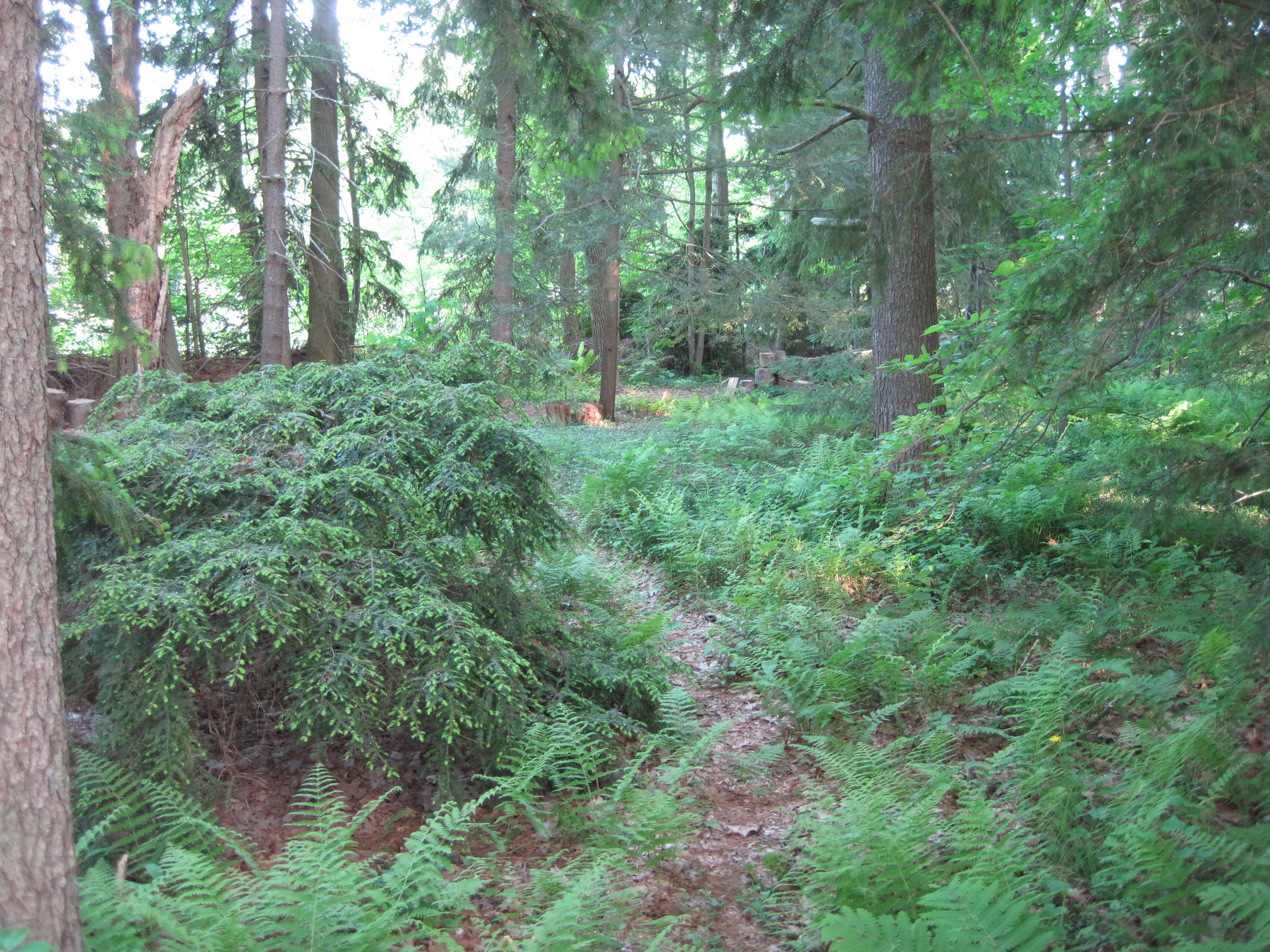
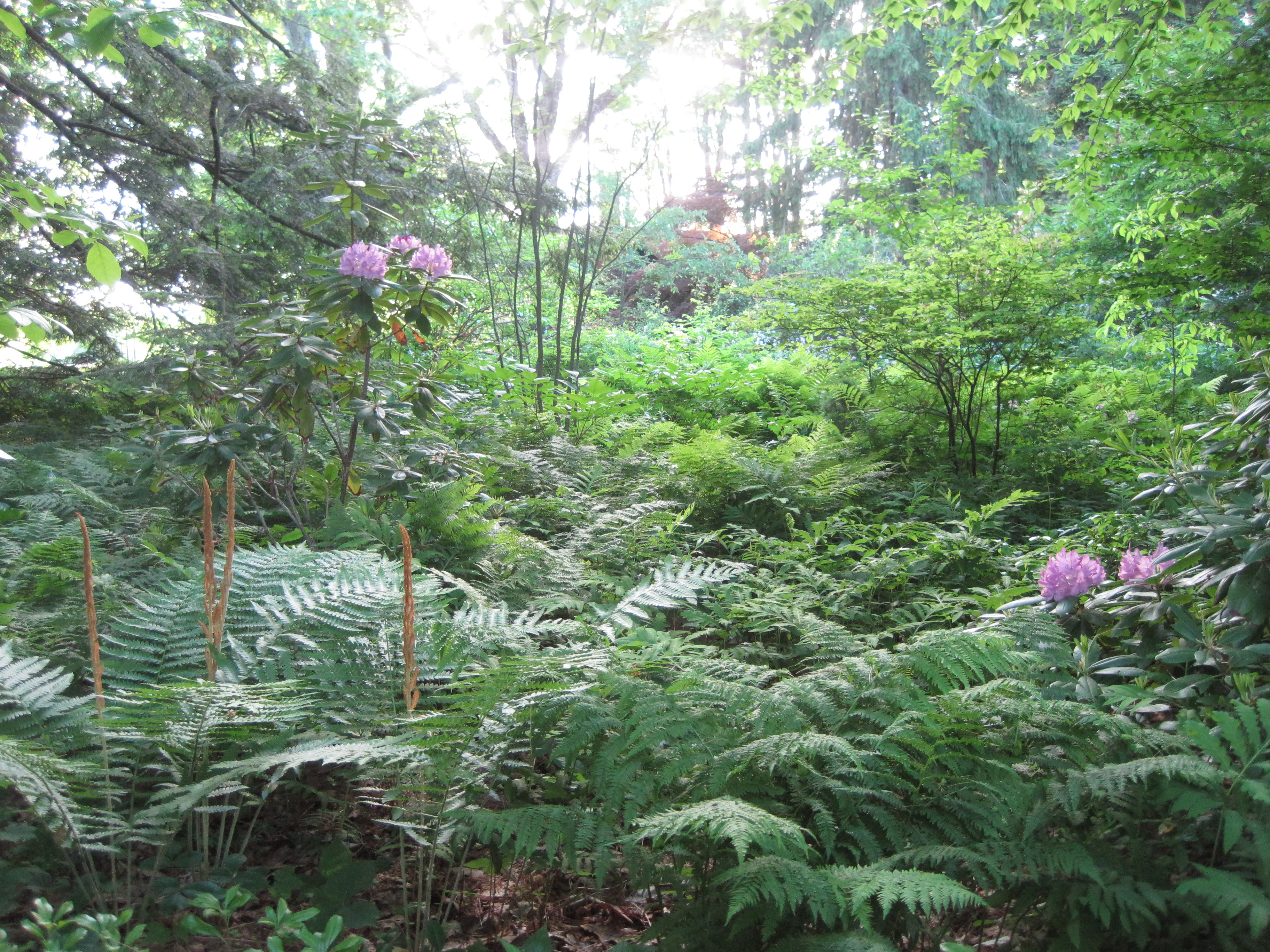
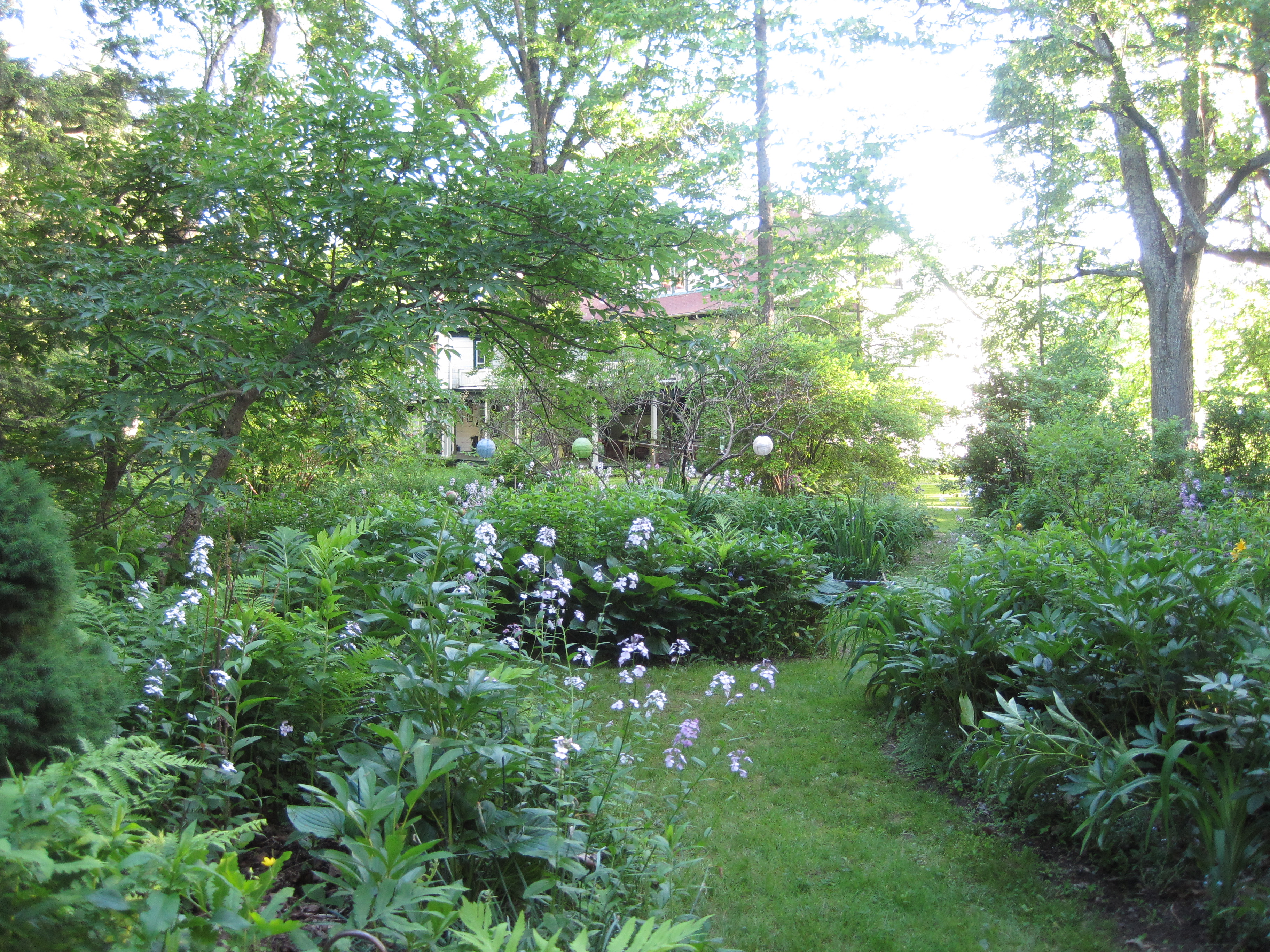
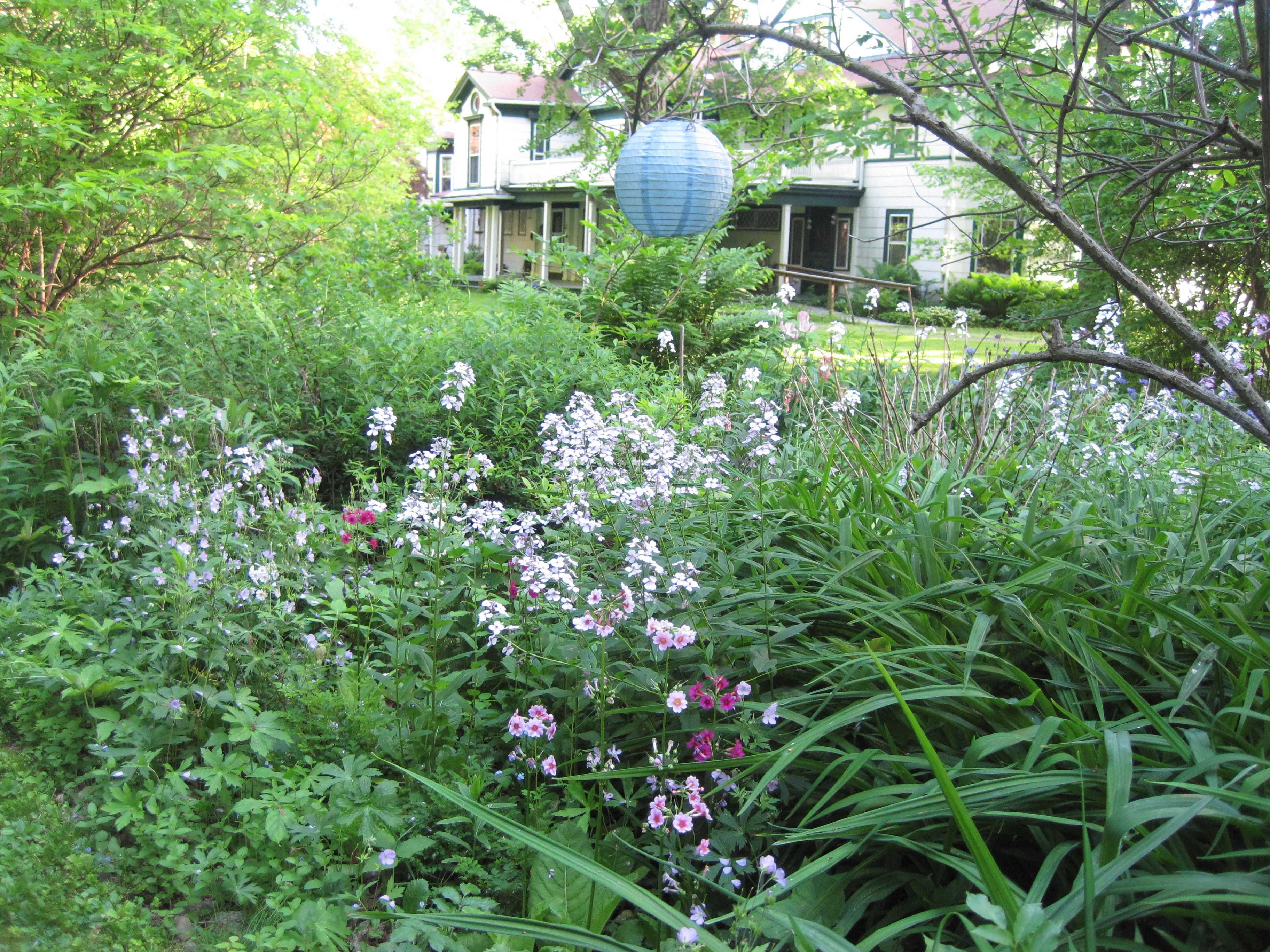
In any case, to make up for it, here is a short walk around what one might think of as the inner circle of the property:

123

129

130

132

135

139

141

144

146

149

157


155

160

163

167

173

174

New Orleans to Hartford Wednesday, Jun 4 2014 

(a non gardening post for once!, looking back before Esperanza was created here)

Morris, Julie’s husband, spent most of the winter, and sometimes year, in New Orleans. How did he go back and forth to Hartford? In the early years of the 1840’s and into the 1850’s, he had to take the long route by ship up and around the coast, unless he wished to go by overland stage: uncomfortable and long.  He may also have taken a riverboat as far up the Ohio as possible, then connected to overland stage-routes, as his business did have offshoots in the Kentucky/Ohio/Tennessee region.

However, in 1855 a rail line to Cairo was completed.   It was now possible to travel by train on the Illinois Central to Chicago or on the Ohio and Mississippi to Cincinnati.  From both cities rail lines had been built that connected to New York during the 1850’s.  Judging by comments in his letters, Morris regarded the trip back to New York/Hartford as a matter simply of catching a boat to Cairo and hopping on a train. Nor was Morris alone in this view, business traffic from New Orleans and the Mississippi were solidly tied into the northern system of railroads constructed during the 1850’s.  This traffic was going around the south on both sides and the great coastal cities of the south were no longer stopping points.  Cairo, Cincinnati, St Louis, and Chicago however, those were the new stopping points….  Something that became rather important in the following decade…

Glowing gold Tuesday, Jun 3 2014 

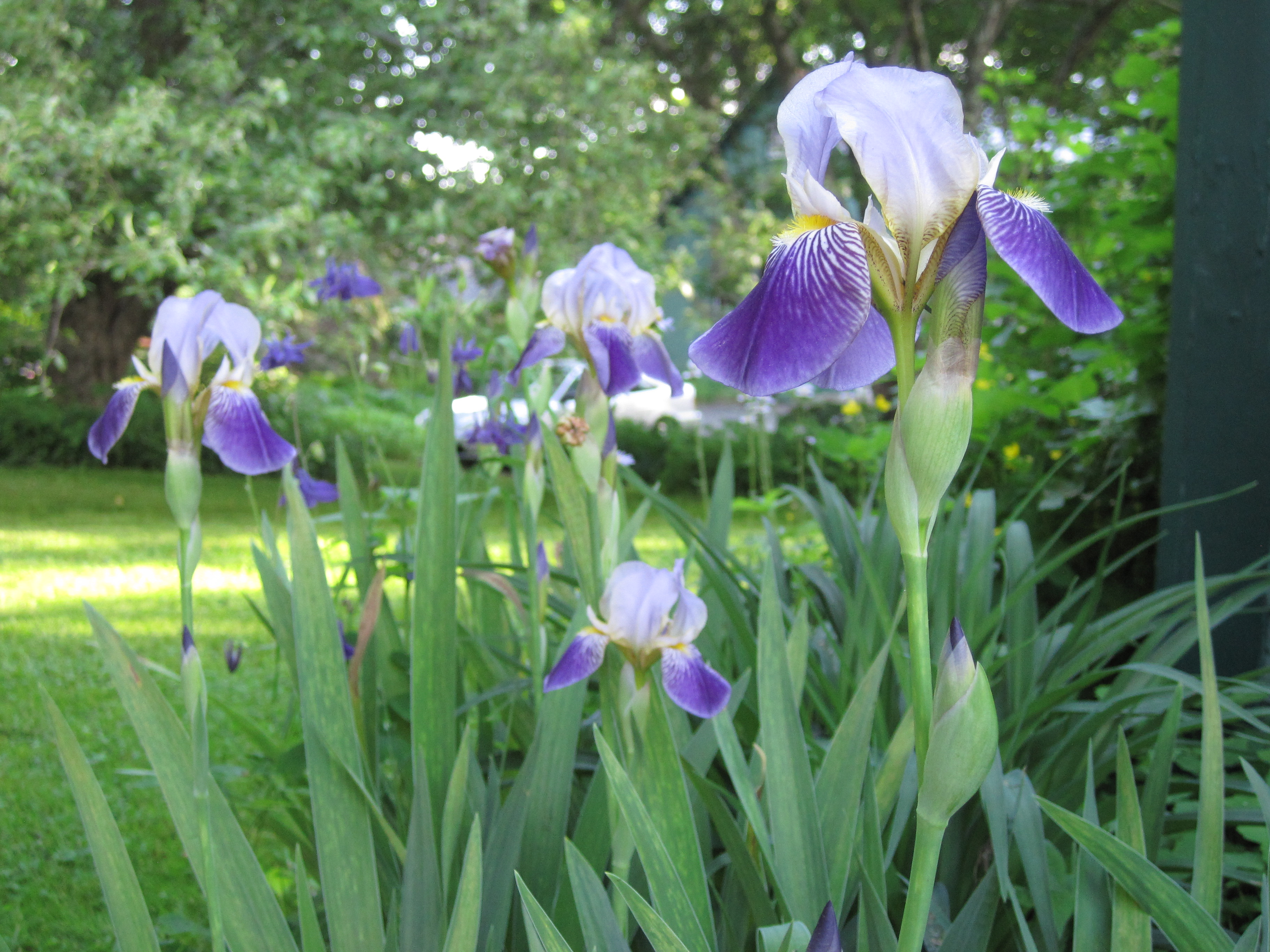
I like iris, though their extravagant size makes June weather a hazard, like peonies they do poorly in fast moving, hard hitting thunderstorms.  They were clearly bred for the British Isles and the Low Countries, where thunderstorms make the news when they happen.

We don’t have that many at the moment (it is all relative!).

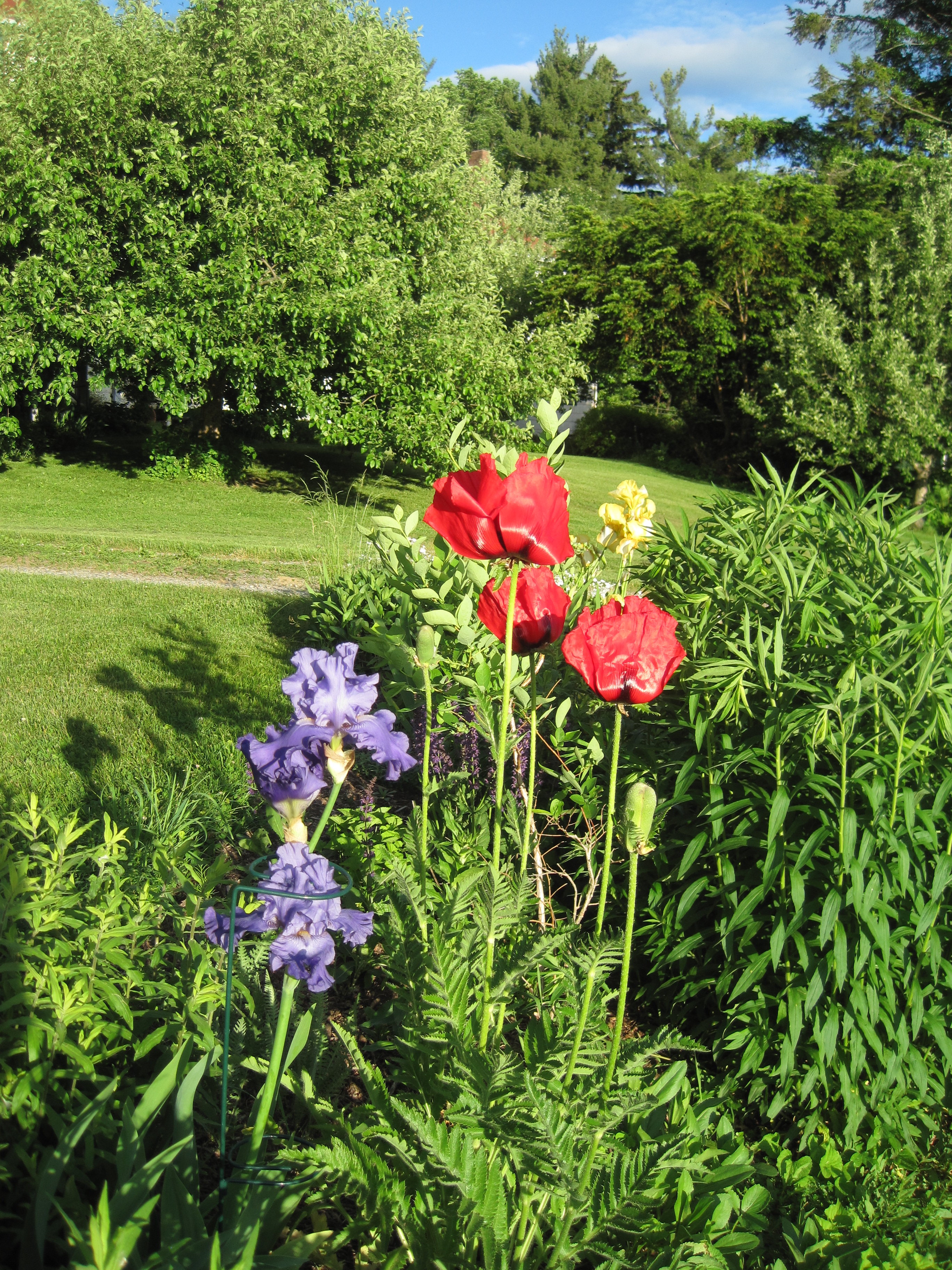
The earliest bearded iris have just started: the huge gold ones. They came originally from Vermont or possibly from Boston. (it is fun to have plants with histories behind them)  Light, soft gold, and a good four/five inches in size, they glow in the sun and moonlight. There is no harshness in their color at all, which is entirely different from the canary gold of yellow flag. Our neighbours have a patch we left at the East Meadow. I saw it yesterday, even from a long way away it glowed.  We have a few in the Flagpole garden and in the south lawn area, given the right space with enough sun they are a fairly aggressive iris, willing to spread.  But they do need sun.  They are nicely complemented by an early deep blue iris, which is also just starting up in the Flagpole garden.  That garden also has big red poppies in it, or will in a week, so it is wonderfully extravagant in size and color.

They are not well complemented by one of the smaller types or iris: the heirloom yellow (with a touch of orange) with chestnut falls, once found in nearly every New England garden, it is a bit rare these days, we got ours from a friend in Maine.  How, and why, that one popped up in the Flagpole garden I am not sure.  It is Supposed to be blooming under the roses near the fish pond, where its smaller stature is just right.  I clearly will have to move it.  I know why it popped up, it was released from the Shasta daisies in the digging this spring.

The bronze iris (a gift from a friend here) will be starting in a few days as well.  They are doing very well this year, which is wonderful since we almost lost them two years ago to corn borers.

Now if we could just figure out the best spot for another bit of Sun garden….. 🙂


Scent Memory Sunday, Jun 1 2014 

Scent is usually considered to be one of the most powerful of our senses, perhaps because we don’t pay too much attention to it as odd as that seems.

In my opinion, a garden should be full of scents: the faint fine chocolate fragrance of a ‘Mayleen’ clematis (it really is just like a really high quality piece of white chocolate), the indescribably rich scent of an American Fringe-tree (Chionanthus virginicus) which always blooms the first week in June*, the strawberry/mango scent of the aptly named Strawberry bush, the faint floral perfume of Dame’s Rocket, the pine-tar of geraniums, iris, roses, the list goes on.  Even the vegetable garden, the pepper scent of a rocket (arugula) plant one accidentally stepped, the onions, the mints.

An evening stroll is truly a feast.

*Perhaps the most underused native plant, in full bloom it is an amazing curtain of white ivory.  Very long lived, a good clear gold in the fall, remarkably free of pests, and absolutely regular in blooming without any fussing.

Last light of May Thursday, May 29 2014 

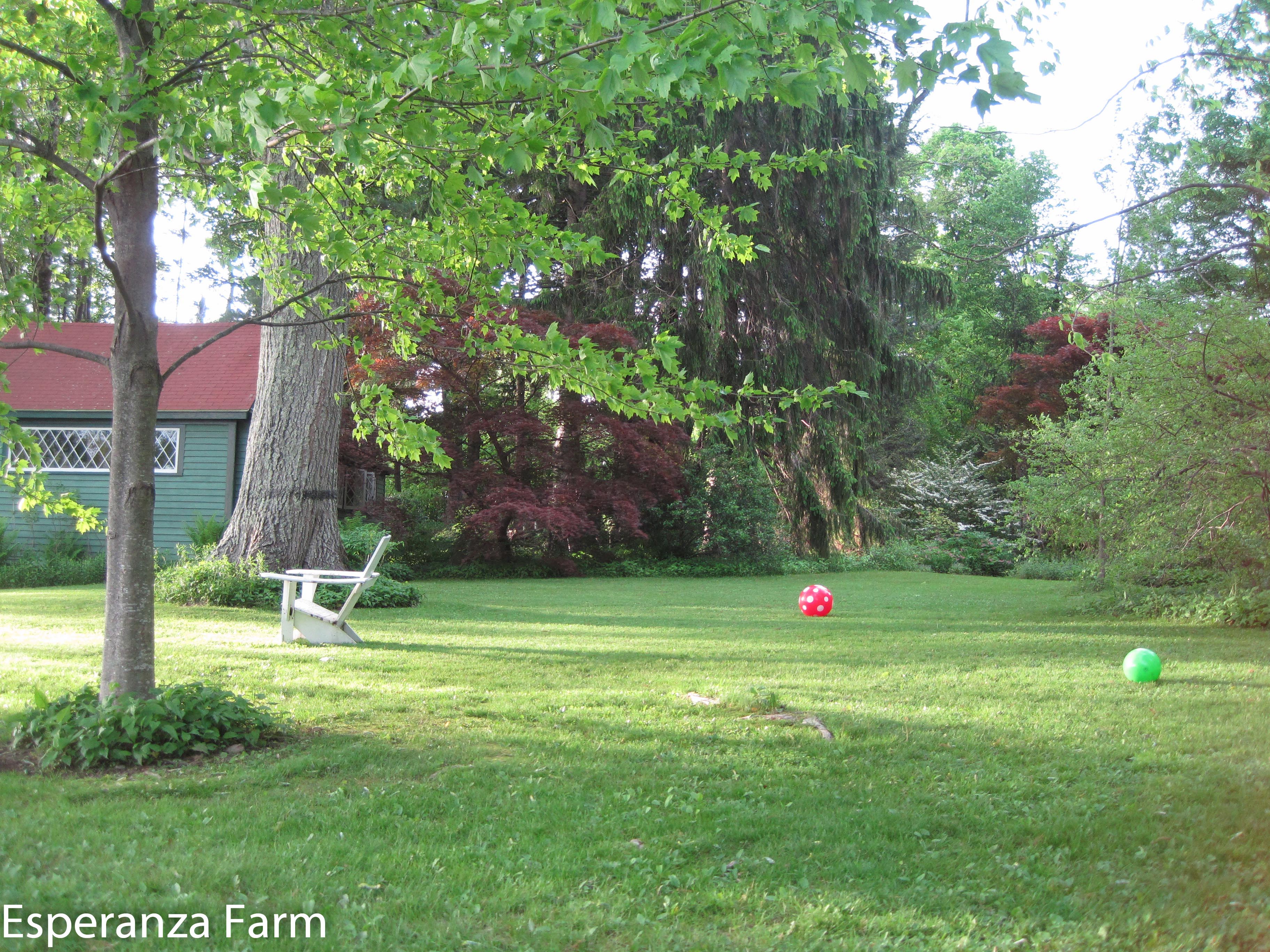
Another view of the lawn a few days ago…the temptation to start playing with modern art installations is clearly strong! That chair, by the way, is probably getting on for a century in age….

IMG_3084

Another View Wednesday, May 28 2014 

of Esperanza, from 1918. A portrait of Eileen Creevey Hall* partaking of a common activity here.  Still common, even if a fair bit of the reading occurs in virtual libraries here and there!

I am not sure who Corey Ford was, aside from being confident enough to sketch in the guestbook. I like the sketches, I wish more of the visitors had done so.

Eileen and the artist clearly had a difference of opinion on whether it was or was not a portrayal, she was eight at the time.

IMG_0060


Summer’s Promise Tuesday, May 27 2014 

IMG_3083

Lest We Forget Monday, May 26 2014 

IMG_5243

« Previous PageNext Page »