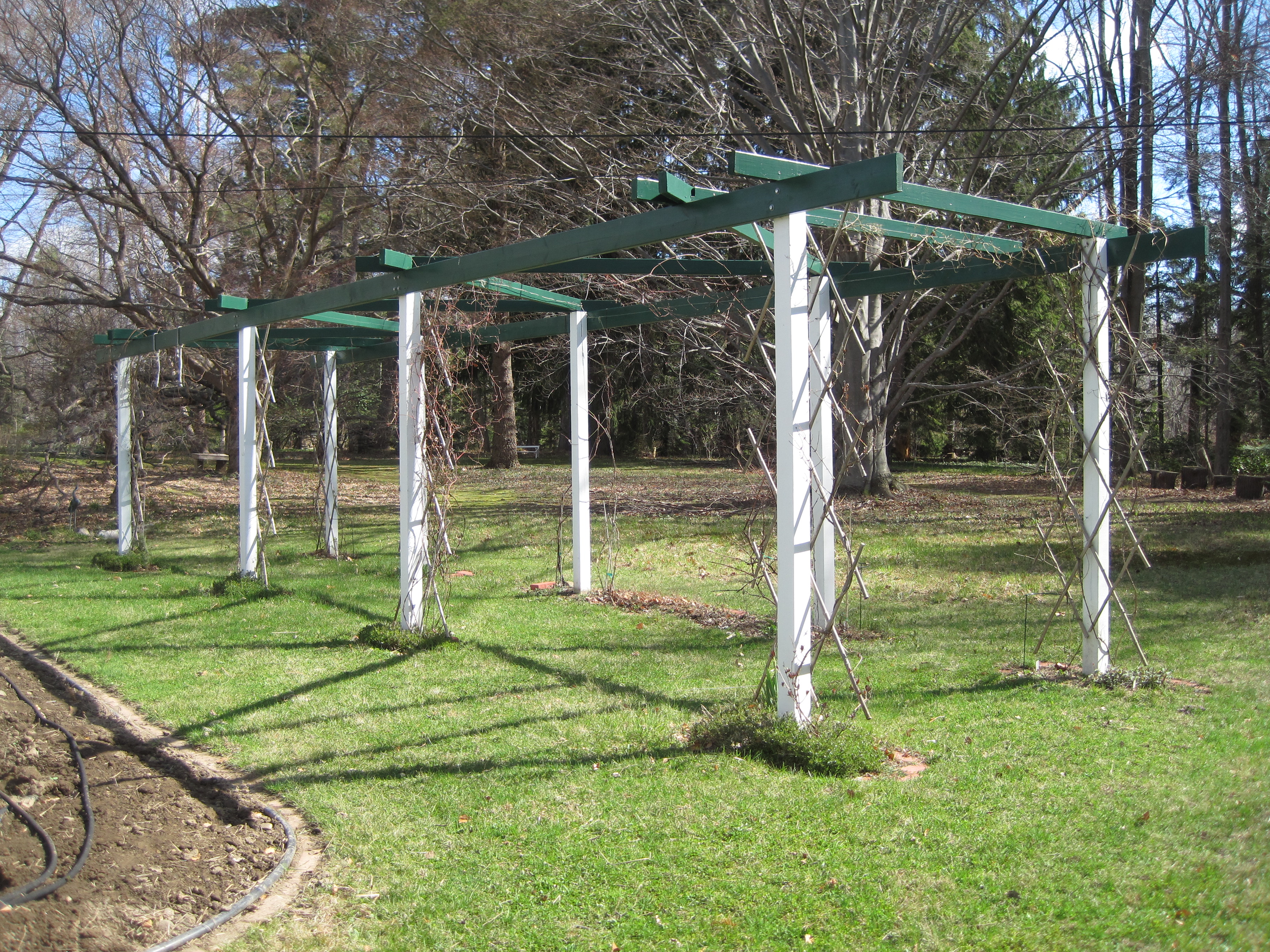
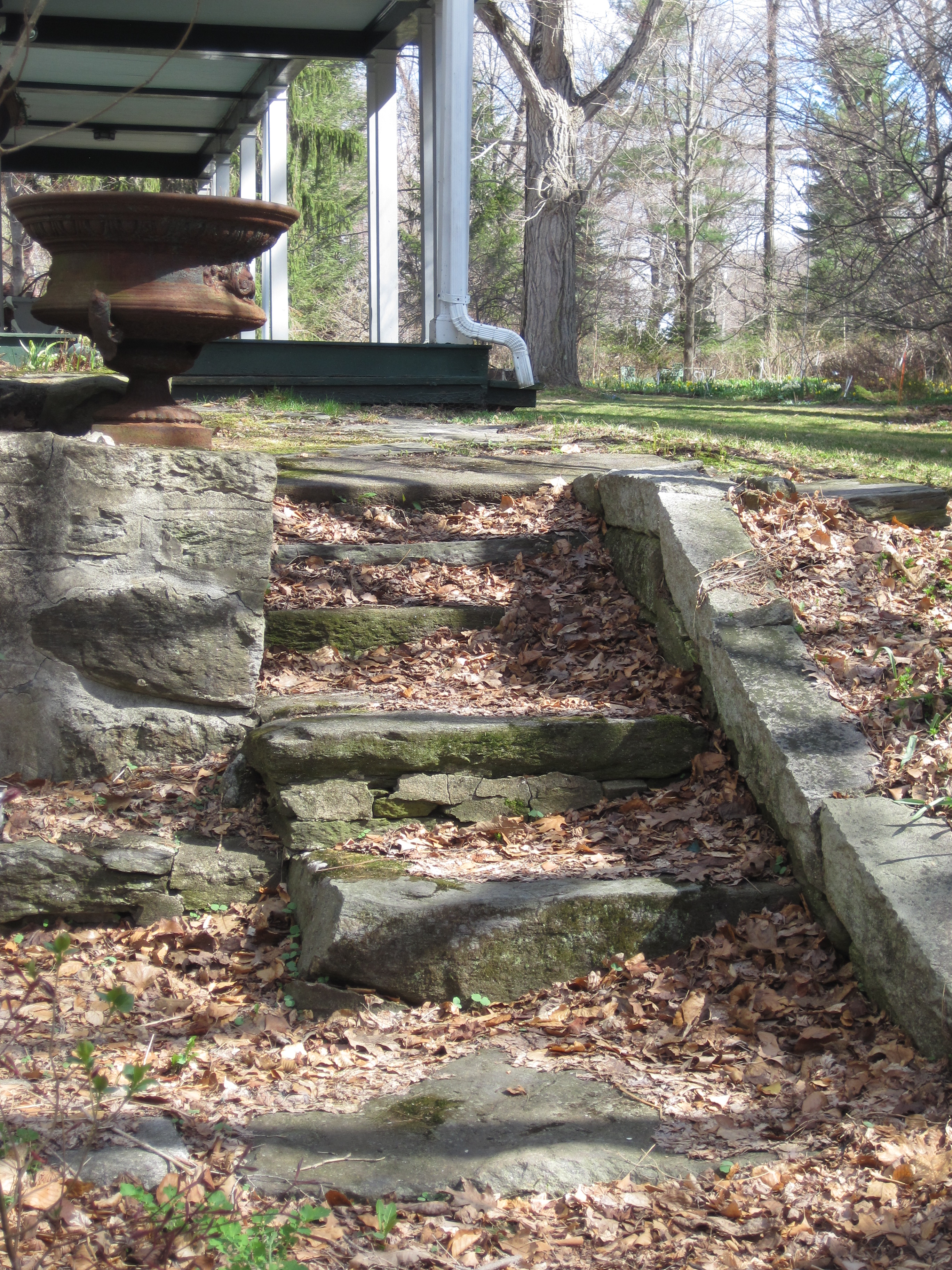
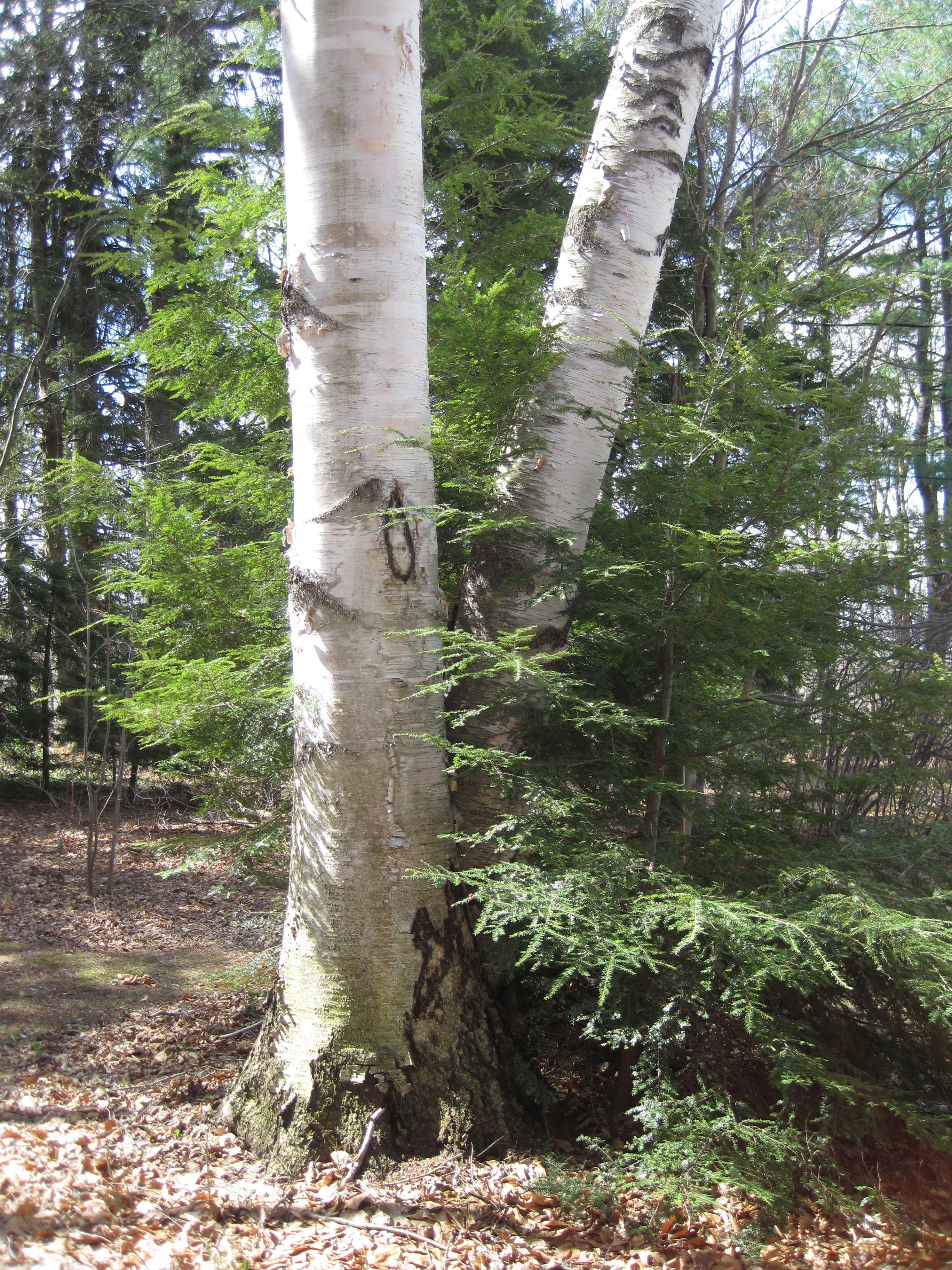
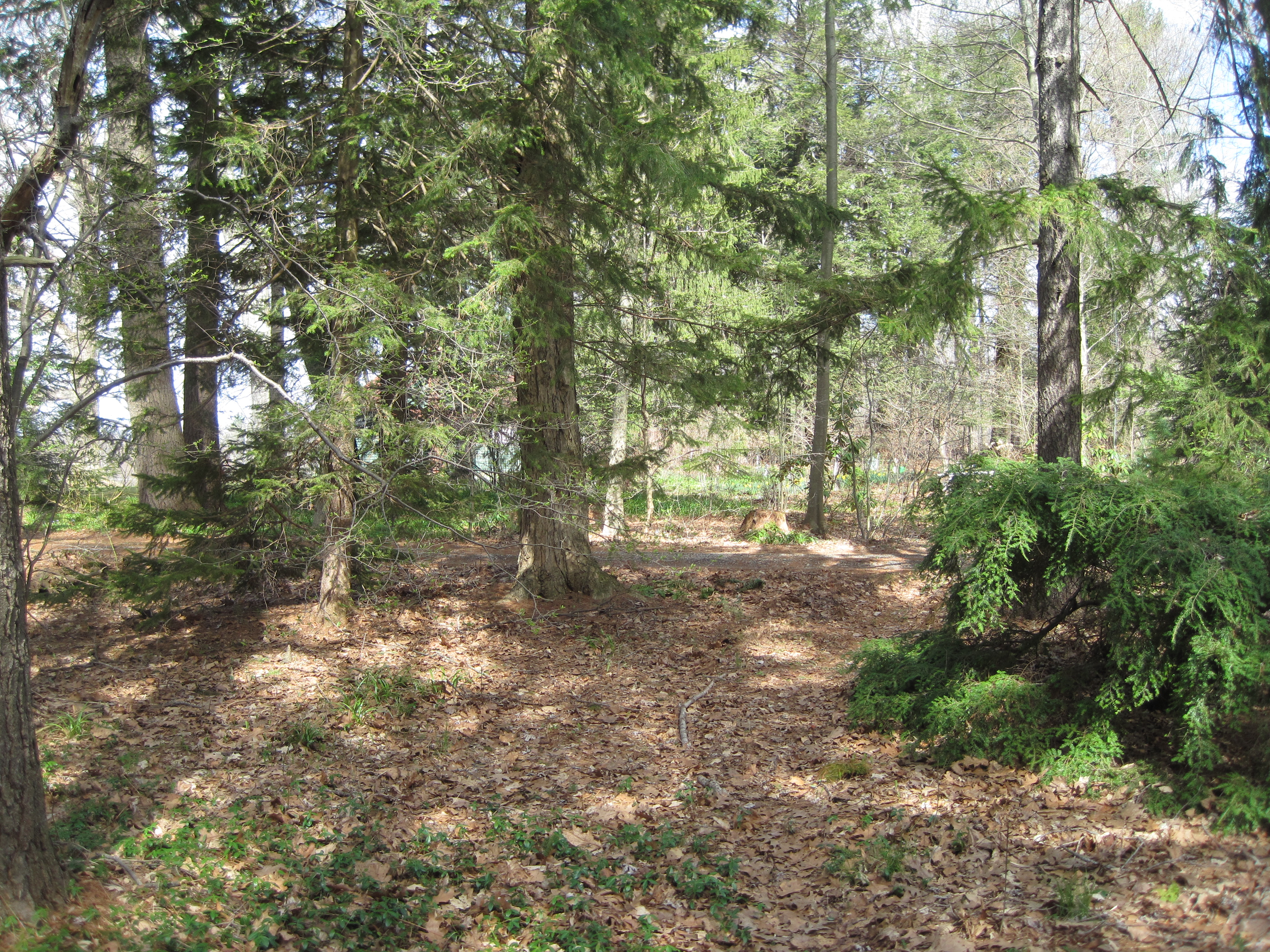
around the place, widdershins as seems typical, from a few days ago, at this time of the year things change so quickly that these are now out of date:





Comments Off on A quick walk
gardening and Landscapes and Modern Photos gardening, northwest Connecticut, photography 20:35
around the place, widdershins as seems typical, from a few days ago, at this time of the year things change so quickly that these are now out of date:
Comments Off on A quick walk
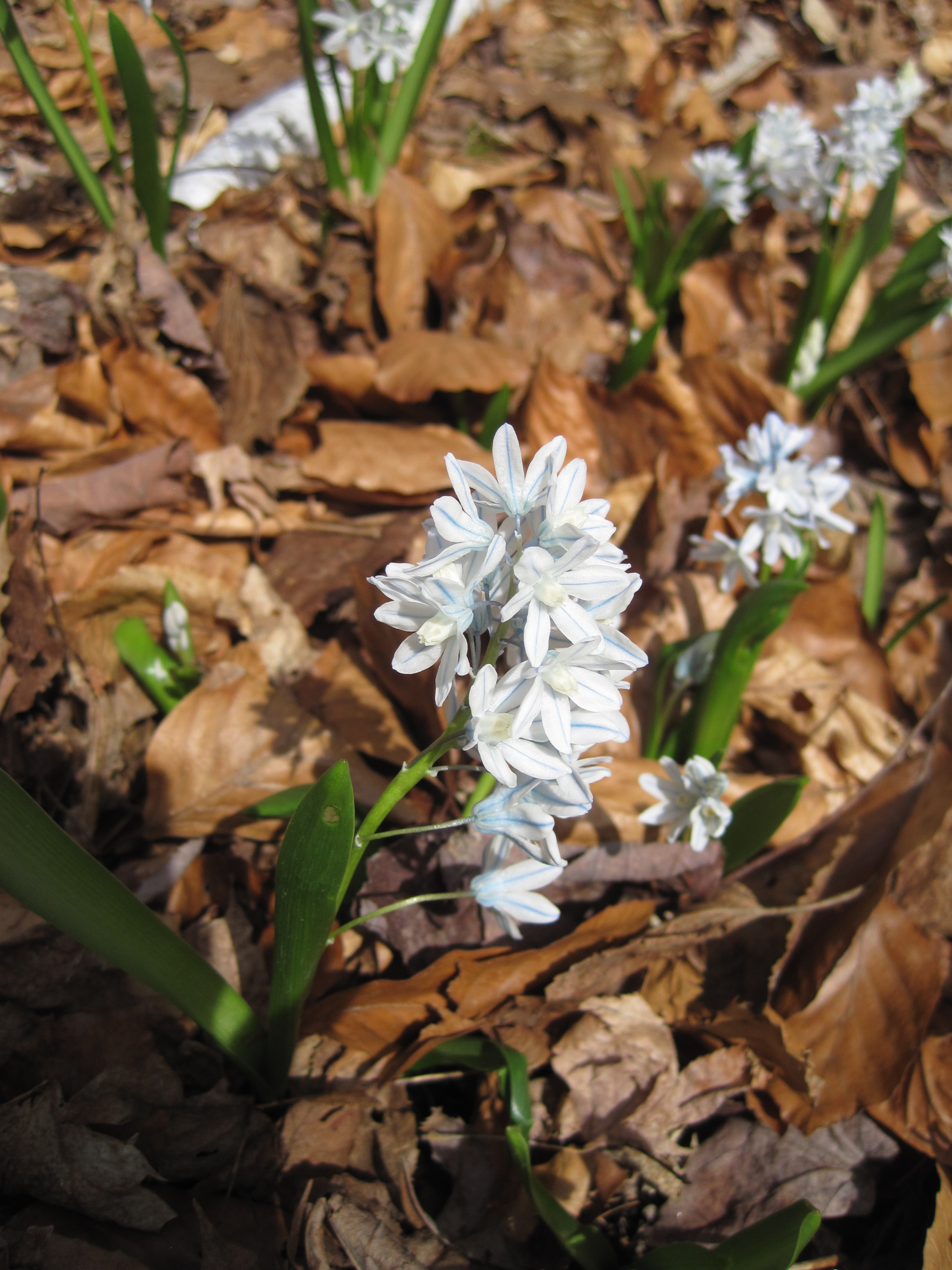
I haven’t found the ideal location visually for this one yet. The chionodoxa (bright blue) are spectacular against the river birch, the scilla (Siberian Squill) tend to be happiest in areas where the lawn greens up fairly early (so one has a saturated blue against the green). On the other hand, the Puschkinia are very happy, and multiplying, beneath the Paper birch; but the reflective, light tan leaf litter in the area reduces the impact of their flowers. Fussy of me!
Puschkinia scilloides var. libanotica (Striped Squill), native to the Causcaus. Similar in timing, growth, and habit to the scilla and the chionodoxa, very tough, white flowers with a blue stripe, about four inches tall.
Comments Off on Unusual plant for the day
gardening and Modern Photos connecticut wildlife 20:31
While contemplating our big Cucumber Magnolia for some troubling die-back*, I noticed something odd. At first, I thought it was an ambitious woodpecker. This was worrisome since ambitious woodpeckers mean ill trees. But, when I put my hand against the marks, my nails fit the marks….

The red mark on trunk is about six and a half feet above the ground. You can see some other scrapes on the trunk to the bottom right.
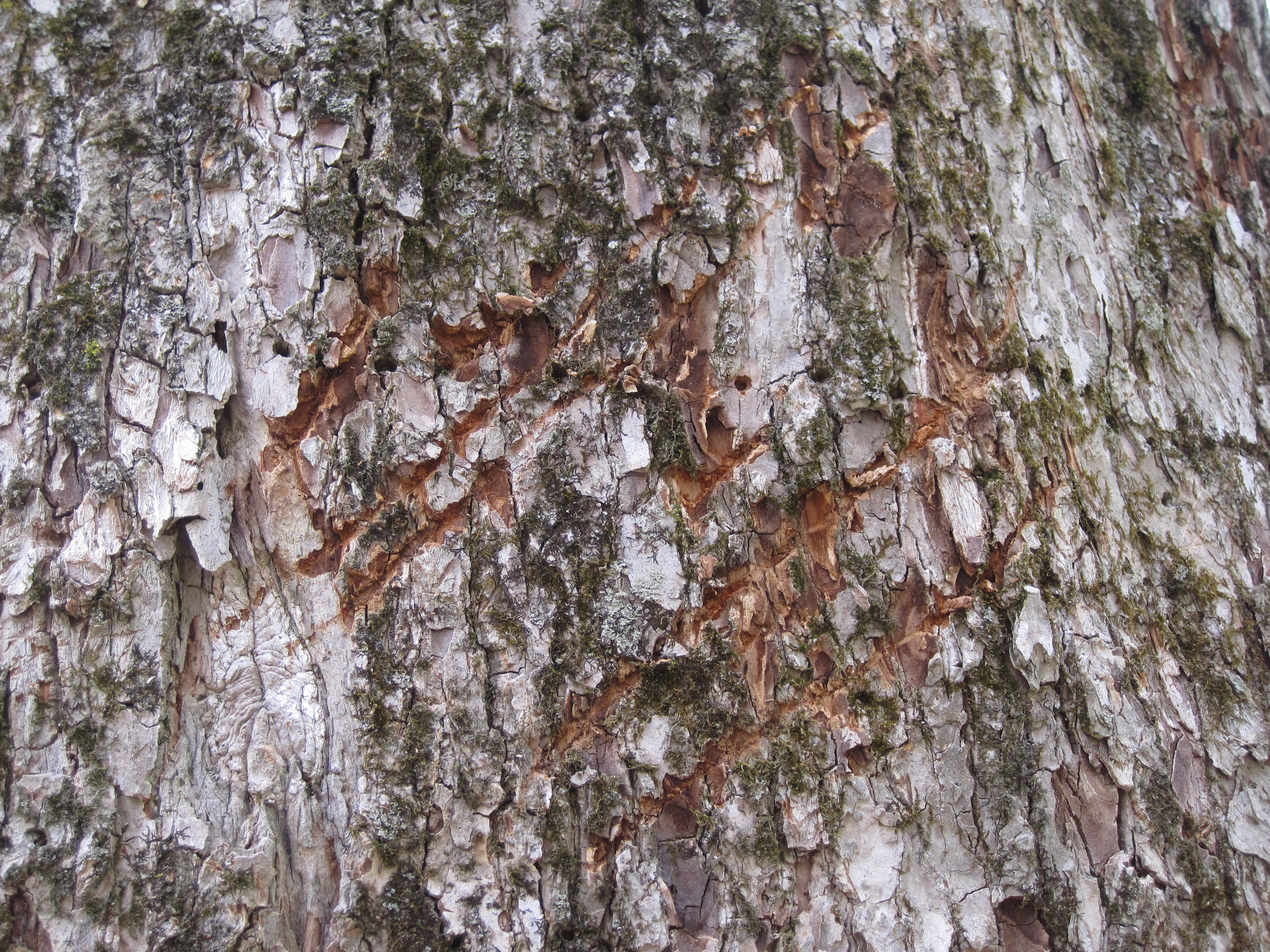
Here is another mark, on the other side of the tree. The spacing is roughly an inch in between slashes. The sets of slash marks are roughly paired, and about four feet apart, climbing the tree.
No guesses?
It would appear that one of our local bears climbed the tree in the last few days. I agree with them that it is a lovely tree to hang out in, nice big horizontal branches, a good view, and all….but!
* It is officially #16 on the Connecticut Notable tree list for size, but may have moved up the list since the measurement. The tree is probably the most central tree in our landscape, so any dead branches are worrisome.
Comments Off on Not Pooh
gardening and Modern Photos daffodils, photography 20:13
It snowed!
Still we will get there. A photo from last year, I wish it was a bit sharper, but rather fun nevertheless.

Comments Off on brrrr
We got the fallen pine tree, one of two fallen pine trees actually, shifted today, with the help of the red dragon. Hydraulics are wonderful helpers! Now to find a nice replacement spruce for the one that was squished by the old pine. Probably a Norway spruce, similar to the mature one a bit to the south. (Much smaller though!! Pity one can’t move 80 foot trees…)
The vegetable garden is being dug, slowly. The peas aren’t in yet, though, which seems a bit late; but then the lilacs are only just starting to swell.
The crocus are almost done, with only a sparkling scatter of pure white crocus out in the meadow, (which is lovely emerald green, quite elegant).* The daffodils are beginning to bloom, all at once for some reason and relatively short. Don’t ask.
*Including one way, way out in the field about as far as one can go. A very ambitious chipmunk no doubt, I feel bad about him forgetting his dinner location though…
Comments Off on Busy!
I know, in comparison to other places, we aren’t exactly dry. Still, a good day of spring rain is wonderful; one can watch the buds swell, the color come into the trees, the grass turn green. It was also a good day for slipping a few new roses into the ground. Among them: ‘Alba Maxima’ the Jacobite Rose (which is also known as the White Rose of York) and ‘Gallica Officinalis’ the Apothecary’s Rose (which is also known as the Red Rose of Lancaster). History lives in plants; I hope that these will get along better than the people did….perhaps I ought to plant a thistle and a leek?
gardening 19:42
I’ve alluded to the crocus border more than once, after this ridiculous winter (there is still snow out there) it was finally coming up. I’ve also alluded to my interest in some of the more unusual types of crocus. They are also coming up. However, did you know deer like to eat crocus? No, neither did I. They appear to be especially fond of C. sieberi (the Cretan Crocus: http://en.wikipedia.org/wiki/Crocus_sieberi) and C. biflorus. And, of course, the young daylilies; preferably the cultivars. The deer also have large feet, what they don’t eat, they step on. So much for that set of flowers.
These same deer are persistently hanging out in the vegetable garden. Actually, the does are hanging about in the vegetable garden; the big buck and a yearling are hanging out in the Big garden (where the tulips are).
The deer, the skunk, the feral cats, the fisher cat (if you recall the Zombie fish episode, the fish survived the winter only to be eaten by the fisher), the raccoons, the possums, the bears….it is getting to be a bit much. And expensive. I love the hawks and the foxes, but not so much the rest. The type of gardening/landscaping we want is running hard up against the animals, all of whom have learned that this is a quiet, food-rich location. Either we have the animals or we have the gardens or?
So what to do? The various repellents are no longer especially effective on our herd (besides, an apparent change in formulation means that they are no longer safe to apply to foliage of broad-leaf evergreens) and can’t be used in a vegetable garden. With the consequence that the tulip beds just got dressed for Halloween. And, of course, none of the other critters are repelled by deer repellents (I bet the bear likes it!)
Step one is clearly some fencing. We can’t spring for deer fencing all the way around (the West Meadow would be a problem). But some level of fence to cut down on the casual stroll.
And likely dog proof. Because, after all there is a reason certain animals were domesticated. And a reason large properties tend to have dogs. Just as they tend to have cats in their houses.
More thought, much more thought is needed; dogs are a lifestyle after all and not cheap. Fence first.
What sort of dog? Collies and Australian Shepherds are high on the list, from past experience with Aussies and enjoying Collies. I admit a certain fascination/fondness with the Beauceron. (http://en.wikipedia.org/wiki/Beauceron) A breed I have only met in person once, the gravest pair of dogs I’ve ever encountered. However, aside from being rare and reputed to be challenging to train, I am not at all sure that other family members would be comfortable with them. Though, they would be useful for security, even if only visually, which is another consideration.
Weighty thoughts. Family members, chime in!
gardening and Modern Photos crocus, crocus angustifolius, gardening 13:00
I think something ate a fair number, but there are definitely some. And it is early yet. Further observations from last year show that they do send up multiple flowers and are fragrant. They also appear to be able to multiply (a skunk dug up a corm and I noticed that it had several small corms (cormlets??) splitting off.
https://acairfearann.com/2014/04/14/crocus-angustifolius/
Comments Off on It’s back!
gardening 20:13
It is always pleasant, indeed fulfilling, to do work outside. The combination of cold, snow, and wind (and other factors) has meant that I have done very little outside since November.
So getting out there and beginning a much delayed job of pruning the apple trees? Wonderful. I also got the yew pruned. More importantly, I managed to corral the multiflora rose. Or, A multiflora rose. This particular one had taken over an area next to one of the small cottages. An area where I would like to plant an apple tree. I finally, simply, cut it down. (of course, it is still sitting there on the snow drift) Multiflora rose can easily get to twenty feet in length/height and several inches in diameter; the thorns can go through leather gloves, canvas jackets, and denim. It is a very common plant in New England; technically an invasive, it was originally planted by state highway departments and agricultural agencies to create impenetrable hedgerows and for erosion control on highways. Birds love it, both for the impenetrable tangle it creates and the berries it bears. It can take over an untended meadow within a decade, creating an area devoid of any other plant or animal life.
It has its uses, the flowers (while small) are moderately fragrant and are held in lovely clumps. The berries are small, but elegant, the birds love it. Few other plants will make as good a natural fence. You can Not walk through mature Multiflora rose. You probably can’t drive through it, without a tank.
Be that as it may. I want an apple tree there. Thankfully, it came off the building without damaging it. Still a far ways to go, but then, the apple tree isn’t here yet and the snow is still two feet deep there!
As requested, from last year (April 9th, 2014) when c. vernus were at the height of their bloom. By that date in early April the species crocus were largely past. This year, considering the snow still out there, who knows when they will flower; in comparison, the snow is currently at the lower fence line as seen in the photo. Spring, though, is fast. Even with that snow out there, it is possible that the c. vernus will be in bloom only a week or so later than last year. We shall see!
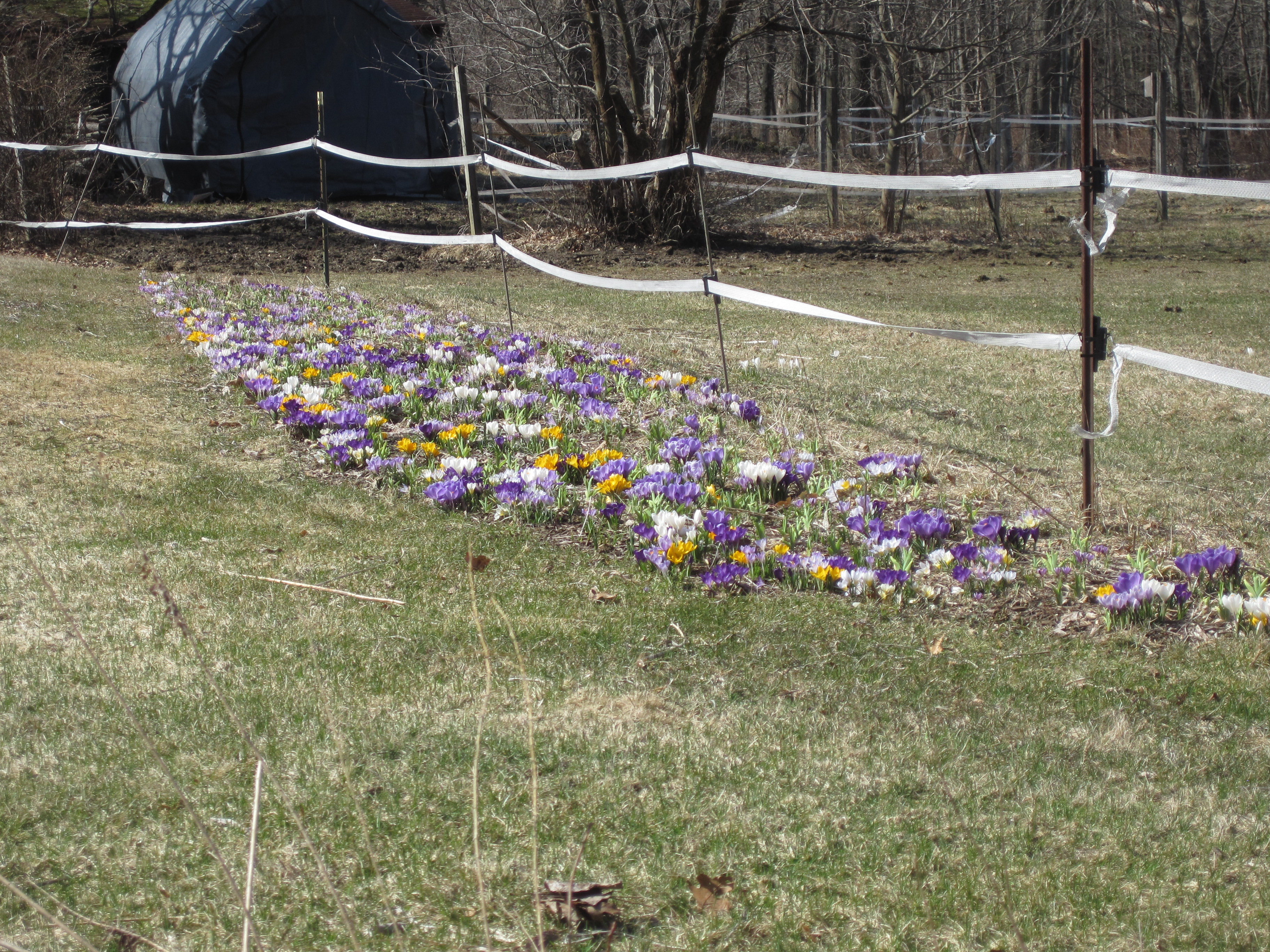
*There is some major foreshortening in this photo, each section of fence is between 12-18 feet, and the photo is taken from about 20 feet away from the fence.
Comments Off on Crocus
 Acair Fearann